
A short village walk, a day among rice terraces, or an overnight mountain ascent: Sapa trekking routes offer very different experiences.
The right choice depends on more than the scenery. Your available time, comfort on uneven ground, fitness, and interest in village life all help determine which itinerary will suit you.
This guide compares five walking options around Sapa, explains how they differ, and highlights what to confirm before setting out.
Discover more fascinating guides:
1. Compare Sapa Trekking Routes Before You Choose
The options below describe places and itinerary types. They are not five uniformly marked trails with fixed distances or difficulty ratings.
Walking option | Experience to consider | Time to discuss with your provider | Main consideration |
|---|---|---|---|
Cat Cat Village | A shorter village sightseeing walk | Part of a day | Steps, the return climb, and visitor activity |
Lao Chai–Ta Van | Rice terraces and village paths in Muong Hoa Valley | A shorter walk, full day, or overnight itinerary | Exact starting point and included transfers |
Y Linh Ho extension | Additional valley walking before continuing toward Lao Chai | Part of a connected itinerary | Surface, gradients, and total distance |
Ta Phin area | Village exploration and Red Dao cultural experiences | A shorter visit or longer guided walk | How much walking the programme actually includes |
Fansipan | A mountain ascent through Hoang Lien National Park | Depends on the booked programme | Authorisation, fitness, equipment, and descent plan |
Treat this as a shortlist. Ask for the actual route before comparing quotations.
2. Cat Cat Village: A Shorter Introduction to Walking Around Sapa
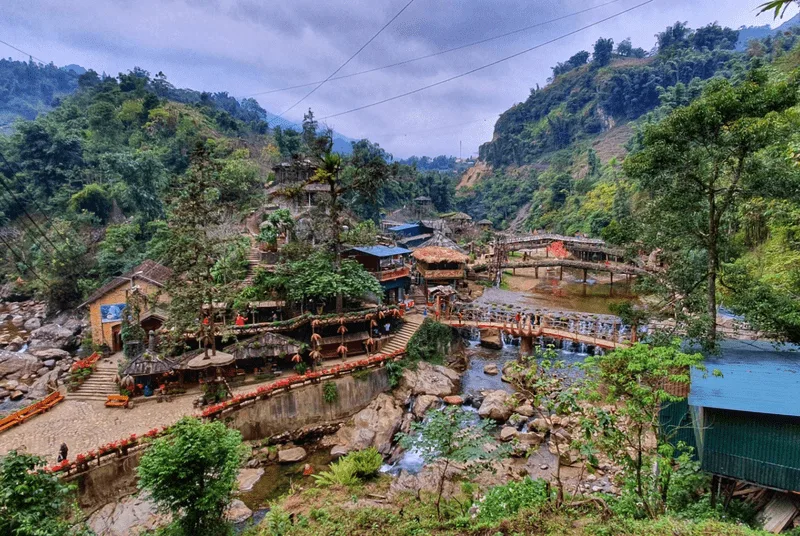
Cat Cat is an established visitor destination near Sapa, with a Hmong community and a waterfall setting. Vietnam’s national tourism website includes it among villages visitors can explore around the town.
It can suit travellers who want a village visit without committing to a longer day in the surrounding valleys.
What to Consider
“Shorter” does not automatically mean effortless. Ask about steps, the descent, and how you will return to your accommodation.
If your group includes someone who finds stairs difficult, check the layout and access arrangements before purchasing tickets.
Cat Cat is also a tourism destination. Expect visitor facilities and other travellers rather than planning around solitude.
Choose it if: You want a shorter outing close to your Sapa base and are comfortable with the walking involved.
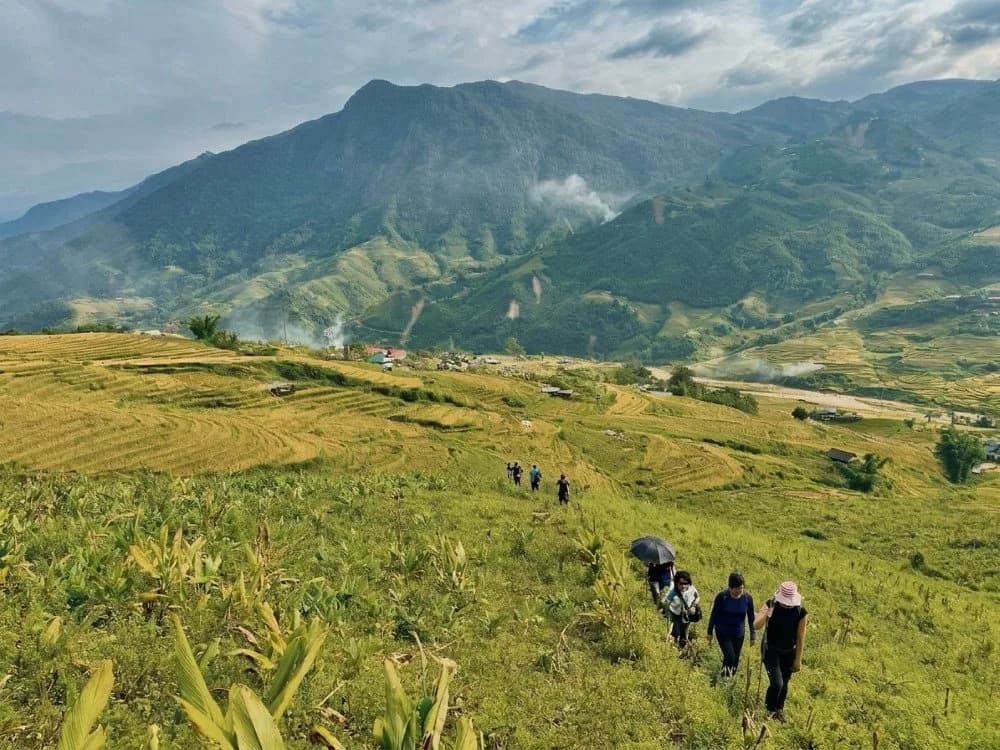
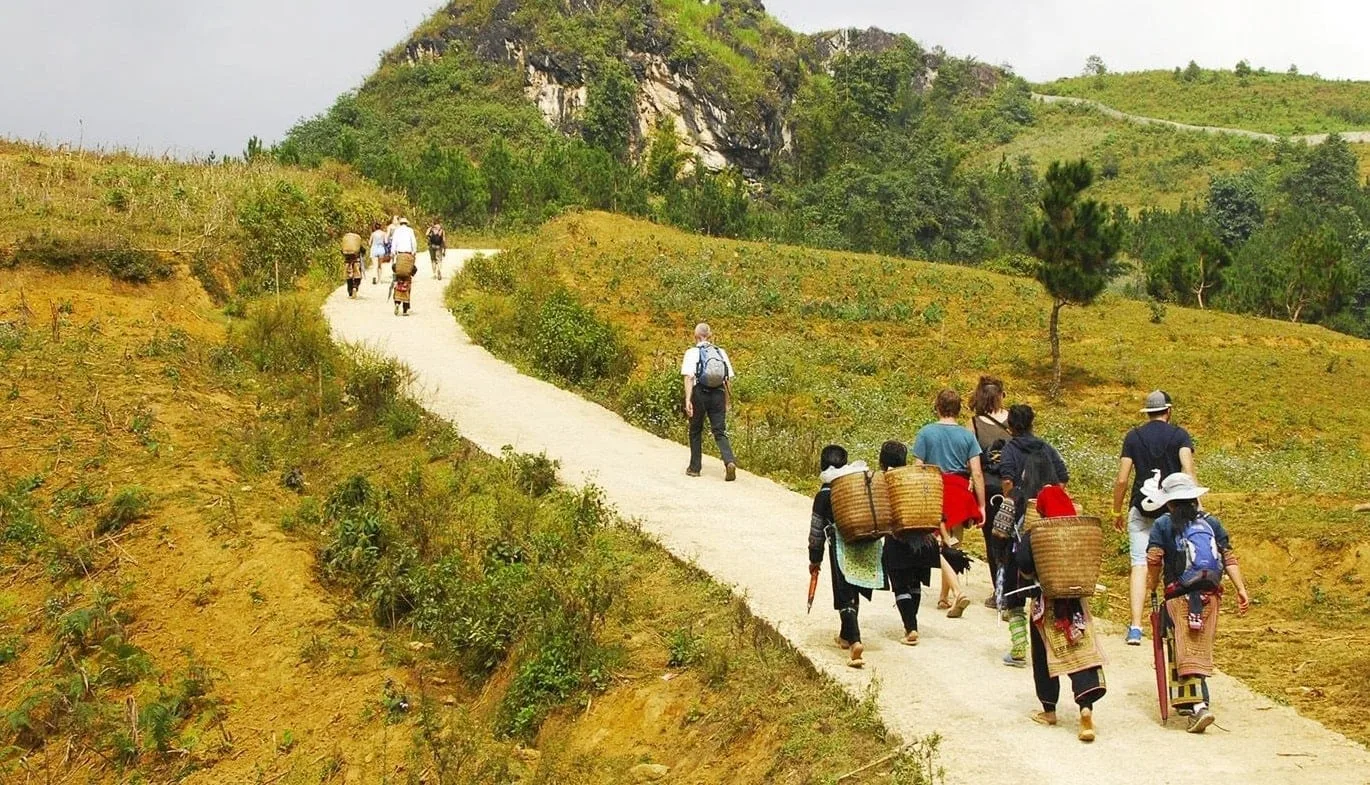
3. Lao Chai–Ta Van: Choose Your Version of the Valley Walk
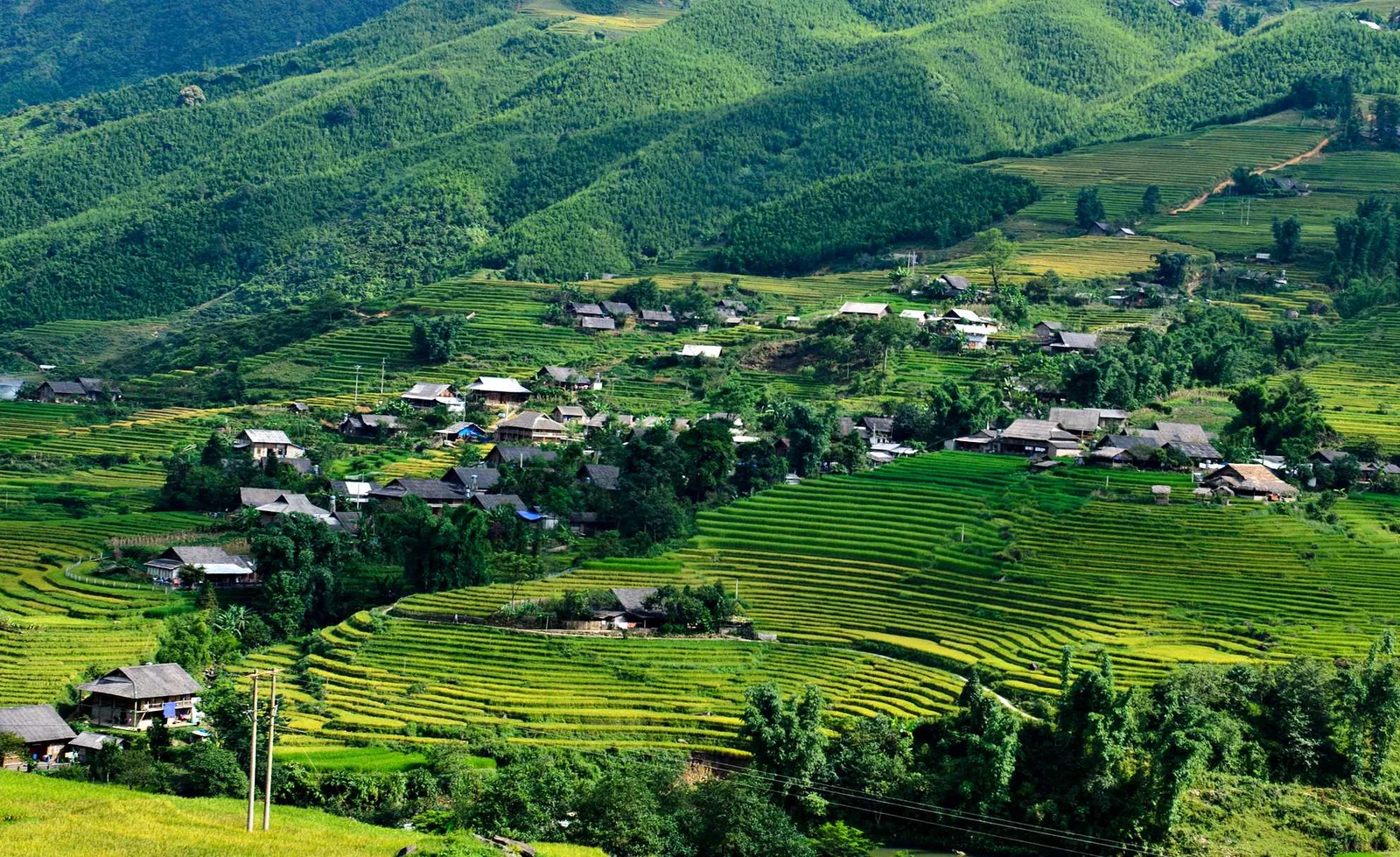
Lao Chai and Ta Van are associated with the Muong Hoa Valley’s rice terraces and village landscapes.
A local operator’s published itinerary connects Y Linh Ho, Lao Chai, and Ta Van, introducing Hmong and Giay communities along the way. This illustrates why village names alone do not define the length of a trek.
A programme starting near a village will differ considerably from one beginning farther uphill.
Confirm the Walking Distance
Before booking, ask:
Where does the walking start and finish?
Which sections are on roads, village lanes, or agricultural paths?
Are hotel pickup and return transport included?
What are the total distance and elevation changes?
Can the route be shortened if conditions or energy levels change?
Do not assume “Lao Chai–Ta Van trek” always means 10–15 kilometres. That figure may describe a longer itinerary incorporating additional places.
Choose it if: You want a flexible valley experience with rice-field scenery and opportunities to learn about local life.
4. Y Linh Ho: An Extension to a Connected Valley Itinerary
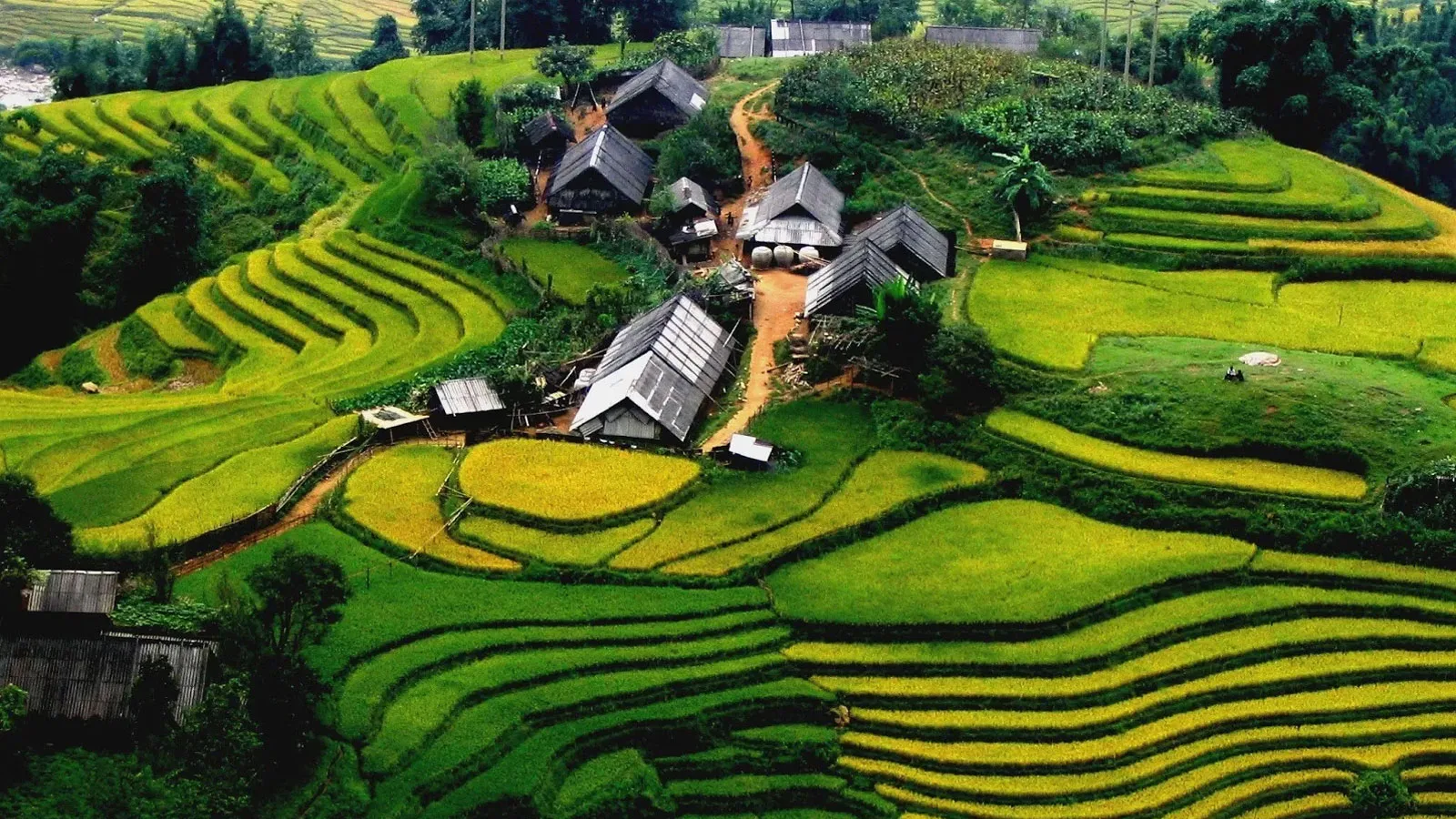
Y Linh Ho is often included in walks continuing through Lao Chai toward Ta Van. It should therefore be assessed as part of the proposed day, rather than automatically treated as a separate remote trek.
Including it may give you more time walking through the valley landscape. Whether the route feels quiet depends on the chosen paths, departure time, and other groups that day.
Ask About the Actual Terrain
Request details about steep descents, muddy sections, narrow paths, and any exposed areas.
If avoiding busy routes is important, tell your guide. Ask how they would adjust the itinerary while respecting access and the group’s ability.
Choose it if: You want a longer connected valley walk and understand the demands of the full route.
5. Ta Phin: Walking with Time for Cultural Experiences
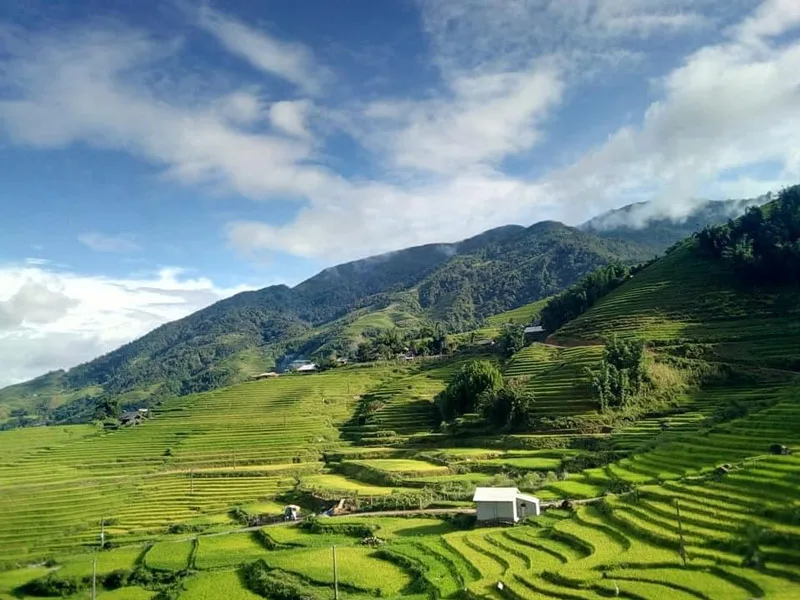
Ta Phin is associated with Red Dao culture and herbal bathing traditions. Vietnam Tourism identifies the village as a place to experience these traditions alongside the region’s broader cultural landscape.
The balance between walking and other activities varies. Some programmes may involve a short village visit; others include a longer approach through surrounding countryside.
Check What the Programme Includes
Ask whether transport takes you directly to the village or whether you walk there. Confirm any household visit, craft activity, meal, or herbal bath separately.
A herbal bath can be an optional experience after walking. Avoid treating it as a guaranteed treatment or recovery method.
Choose it if: You want to combine an outdoor outing with time to learn about local traditions.
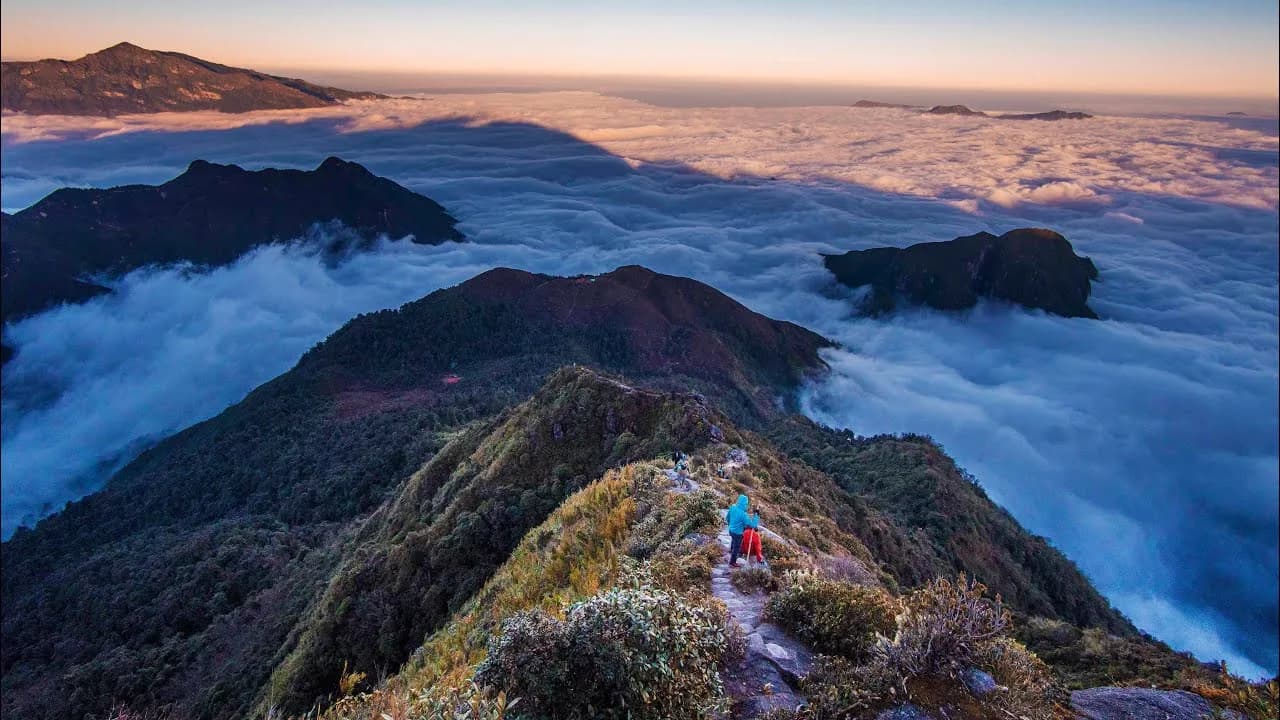
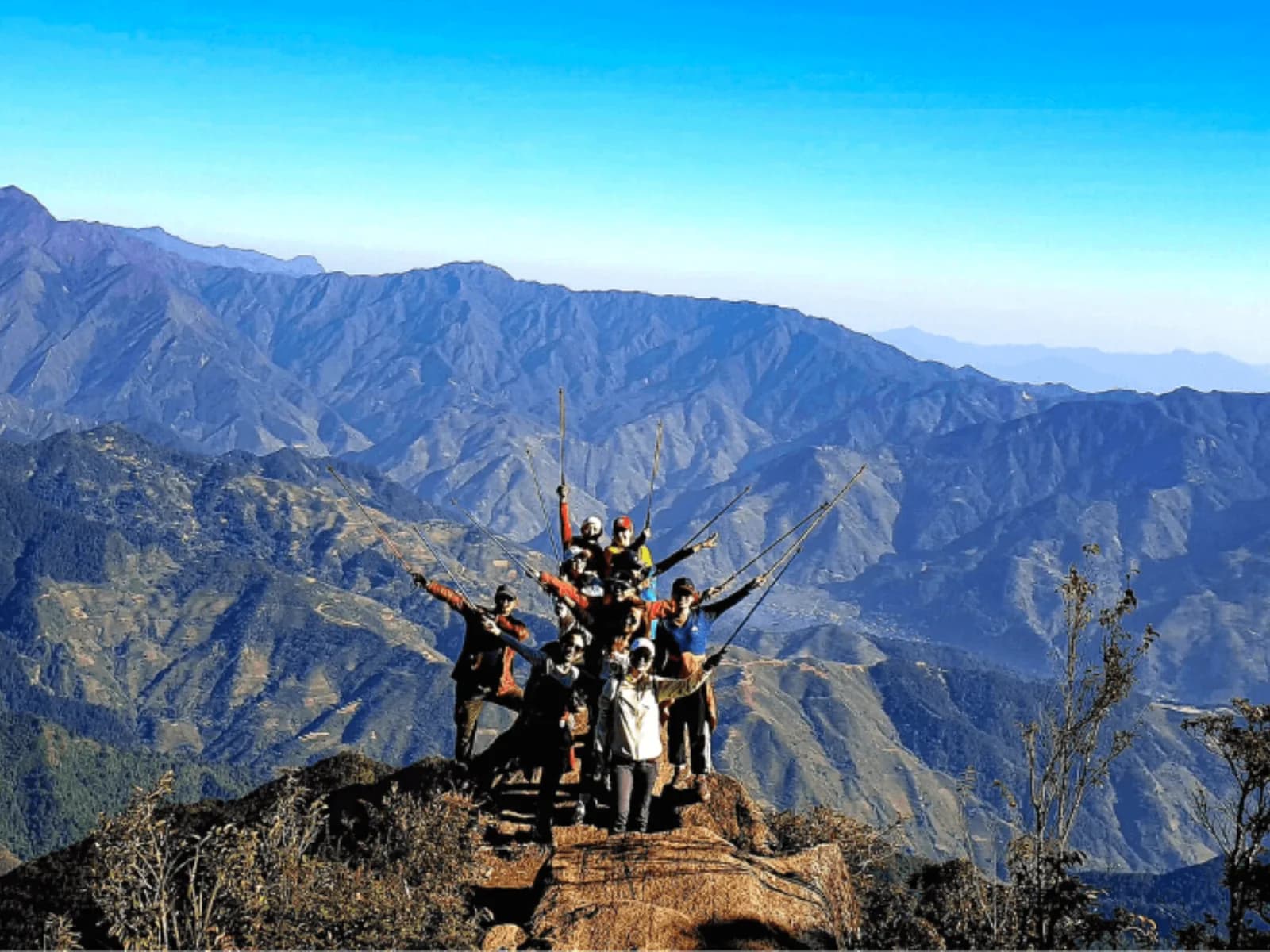
6. Fansipan: Plan a Mountain Ascent Separately

Fansipan rises to approximately 3,143 metres and is widely known as the “Roof of Indochina.” Trekking and cable-car visits involve different preparation and experiences.
For a trekking example, Viettrekking publishes a two-day, one-night programme from Tram Ton, travelling through Hoang Lien National Park and staying overnight at a mountain shelter. Other programmes differ, so there is no universal duration for every Fansipan trek.
Confirm Access and Support
Hoang Lien National Park instructs trekkers to register, obtain the required permission, and choose organised tours with guides rather than attempting an unauthorised ascent.
Before booking, confirm:
The approved route and guide arrangements.
Daily walking stages and expected conditions.
Overnight shelter and equipment.
Whether you descend on foot or use the cable car.
Weather-change and cancellation policies.
Support if someone cannot continue.
Operator difficulty labels are useful only within their own systems. Describe your experience honestly and review the itinerary itself.
Choose it if: You want a mountain objective and can prepare specifically for its demands.
7. When to Go Trekking in Sapa
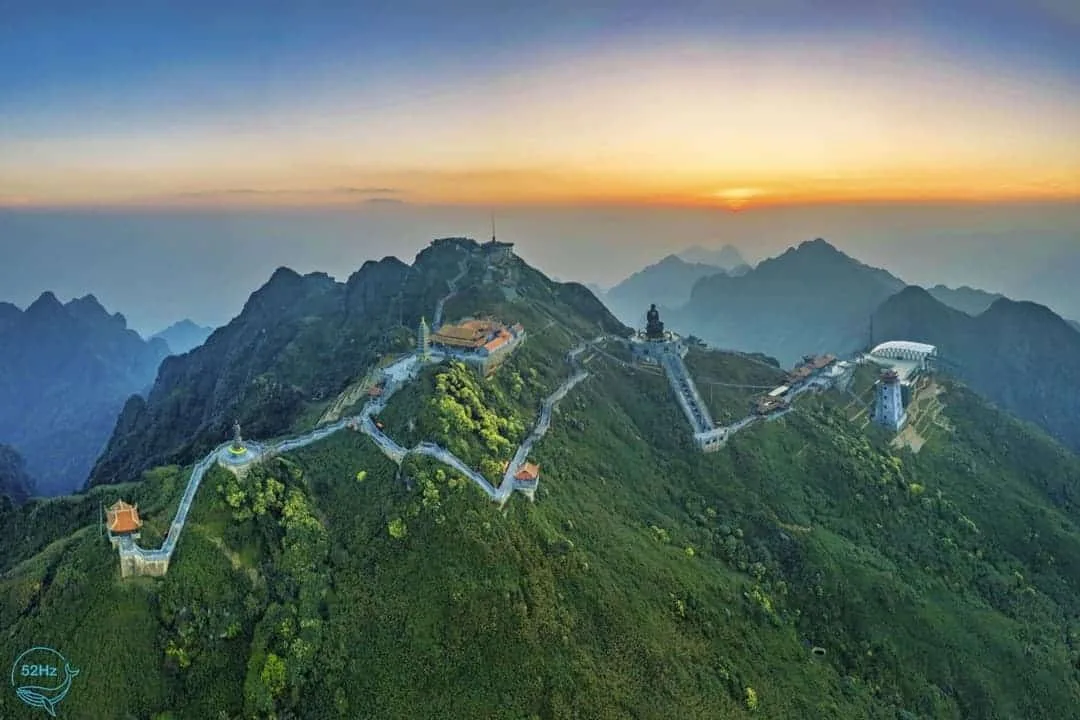
Choose your travel period according to both trail conditions and the scenery you want.
Vietnam Tourism highlights April–May and September–October as periods to consider for Sapa, while noting colder conditions from November to March. These are general destination references, not guarantees for a particular walking day.
For rice terraces, obtain a recent local update. Planting, ripening, and harvesting vary between locations and years; a month alone does not guarantee green or golden fields.
Before departure, check:
Recent rainfall and surface conditions.
Visibility and the forecast for your route.
Any access notices or closures.
Temperatures at your overnight stop, if applicable.
Ask for a suitable alternative when the original route is affected.
8. How to Choose a Guide and Compare Costs
A guide familiar with the specific route can help with navigation, communication, and decisions when conditions change.
Compare programmes by their inclusions rather than headline price alone.
Item | What to confirm |
|---|---|
Guiding | Route experience, group size, and communication |
Transport | Pickup, trailhead transfer, and return journey |
Fees | Entrance charges and any required authorisation |
Food and water | What is provided and what you carry |
Overnight arrangements | Room or shelter, bedding, and facilities |
Equipment | Included items and their condition |
Insurance | Applicable coverage and exclusions |
Changes | Weather, cancellation, and route-shortening policies |
For a homestay itinerary, clarify the accommodation and hosting arrangements before paying.
9. Prepare for the Route You Booked
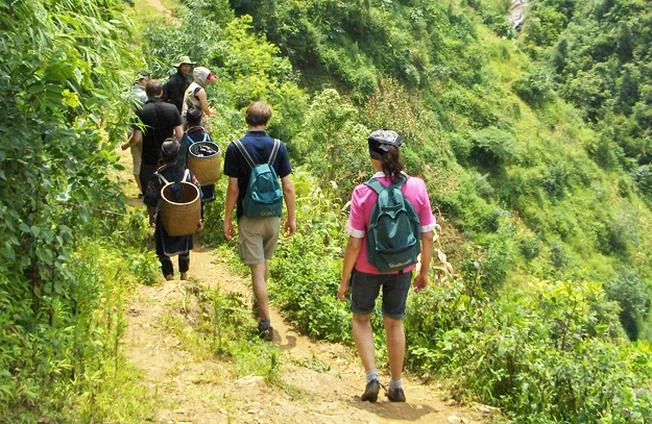
For valley walks, start with tested footwear, water, food, rain protection, suitable layers, a charged phone, spare power, and personal first-aid essentials.
Add equipment according to the itinerary. An overnight mountain programme needs a more detailed packing discussion than a short village visit.
Use maps to understand your planned route and prepare relevant offline information before leaving. Confirm current access with your guide; a saved track cannot establish that a path remains open.
For a broader checklist, read ExoTrails’ hiking gear and safety guide.
During village walks, stay on agreed paths, avoid stepping into crops, carry away rubbish, and ask before photographing people or entering homes.
10. Frequently Asked Questions About Sapa Trekking Routes
Which Sapa trek should beginners choose?
Start with the specific walking demands. A shorter Cat Cat visit or an adjusted valley itinerary may suit some beginners, but steps, gradients, and recent rain still matter.
Are Lao Chai–Ta Van and Y Linh Ho separate treks?
They can be combined in one itinerary. Ask which places are included and how much walking connects them.
Can I do a one-day Sapa trek?
Yes. Local operators publish day itineraries connecting valley villages. Confirm walking time separately from transfers and other activities. SapaTrekking
Do all Fansipan treks take three days?
No. Published programmes include a two-day, one-night Tram Ton itinerary. Select a programme according to its demands and support arrangements. Viettrekking
Are these routes suitable for children?
Ask the provider to assess the exact route against your child’s experience, mobility, and ability to complete the day. A general “easy” label is insufficient.
Choose the Sapa Walk That Fits You
A rewarding Sapa trip might be a few hours near a village, a full day through the valley, or a carefully prepared mountain ascent.
Choose the experience you want, understand the route, and leave time to enjoy the landscape and people along the way.
Find inspiration for your next walk with ExoTrails, then confirm your itinerary and current conditions before setting out.
Connect with our outdoor community:
Join Run, Trek & Camp | Basecamp Việt Nam to exchange trail experiences.
Follow ExoTrails Worldwide for outdoor inspiration and practical travel ideas.