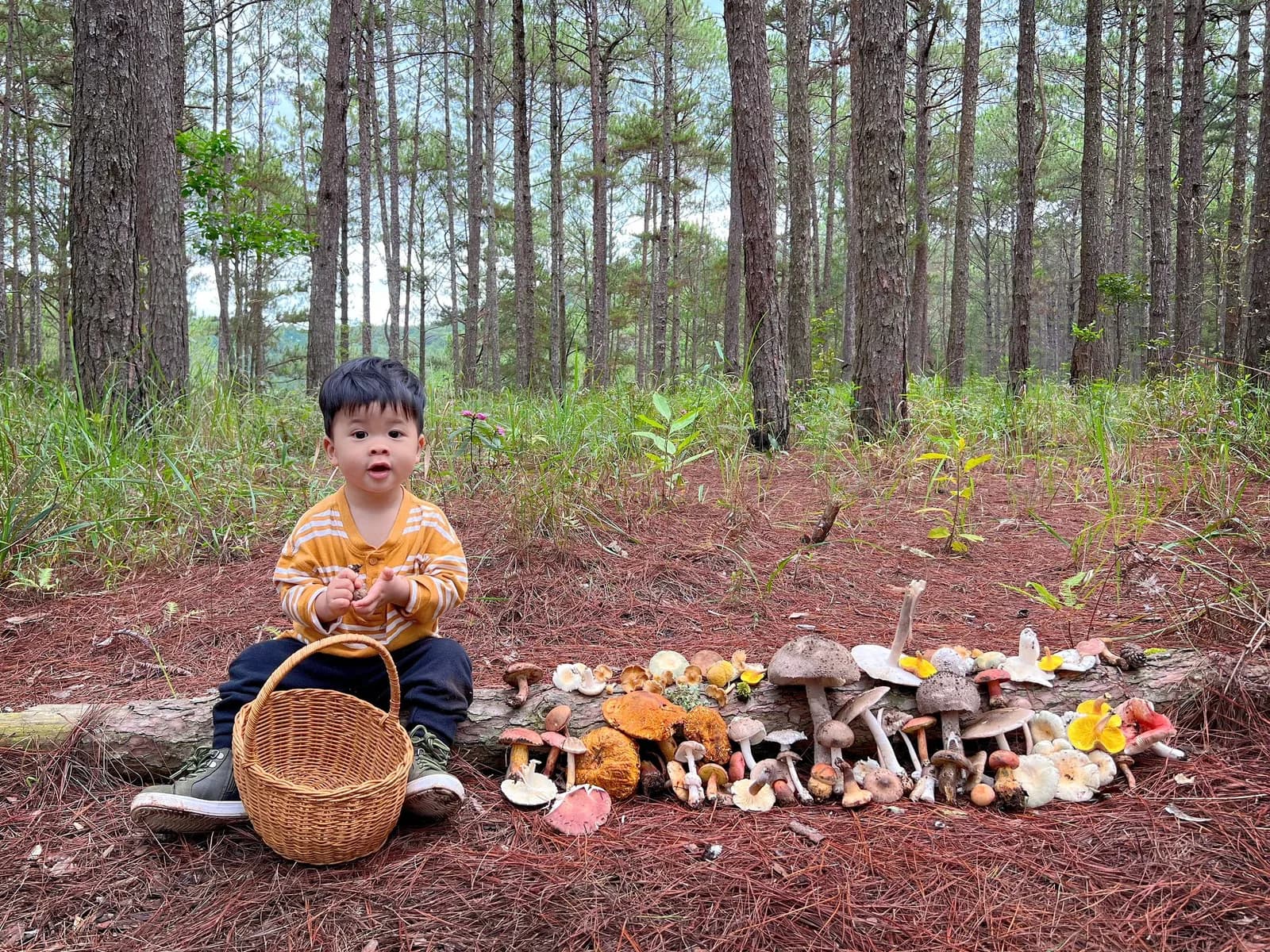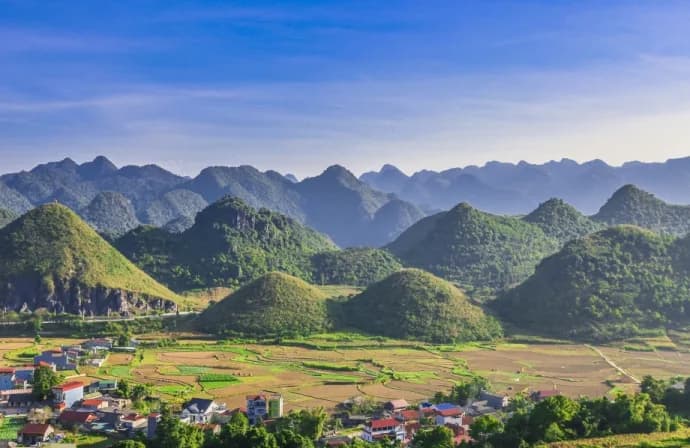
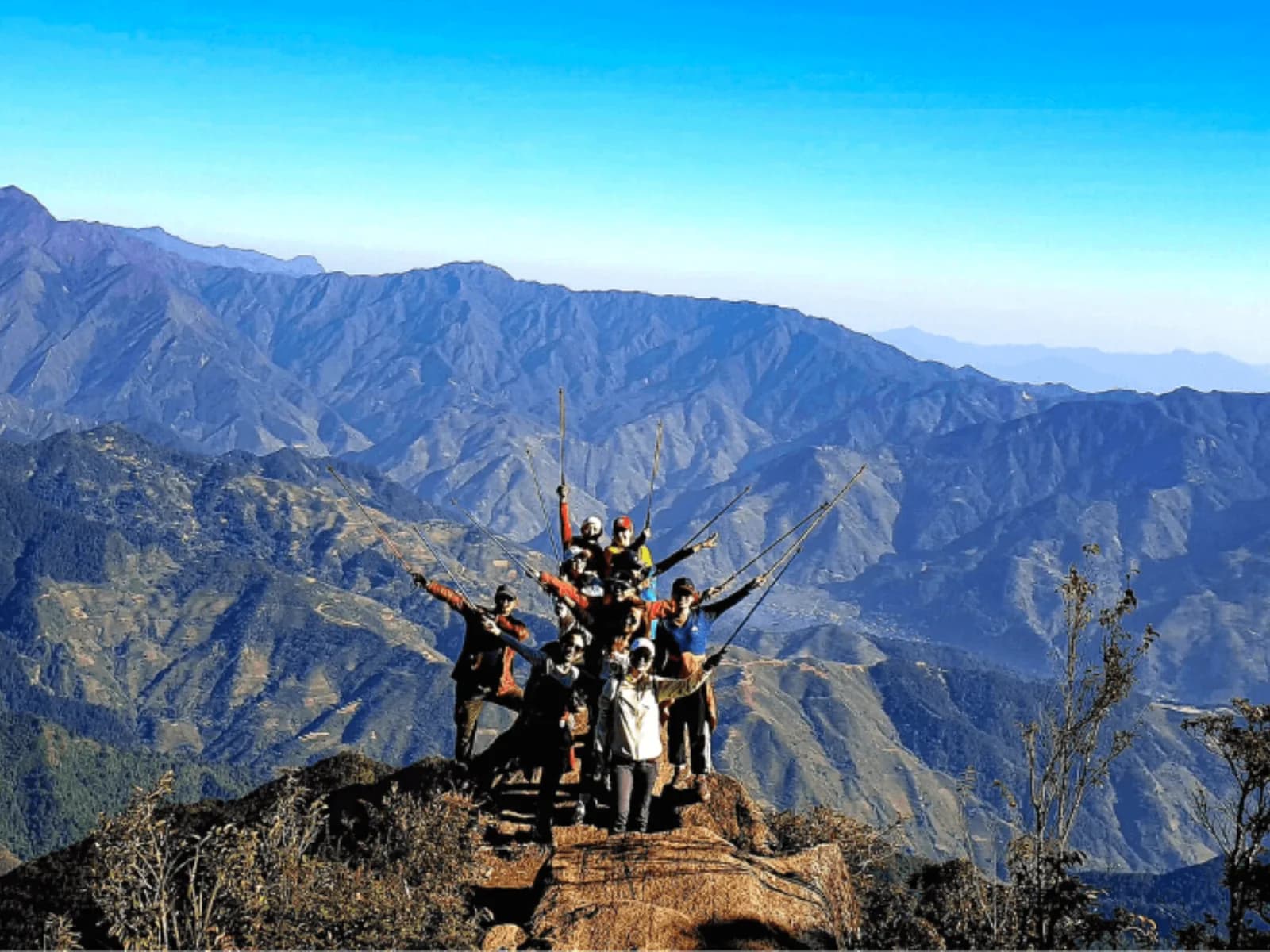
Vietnam’s highlands invite you to slow down and look closer: forest-covered slopes, winding village paths, and mountain views that make every uphill step worthwhile. Exploring these landscapes also means thinking about what your visit leaves behind.
Responsible trekking in Vietnam starts with everyday decisions: choosing an appropriate route, carrying out your waste, respecting local communities, and following the rules of the places you visit.
This guide explains how to put those choices into practice, from booking your trek to taking your final steps off the trail.
Discover more guides:
1. What Does Responsible Trekking Mean?
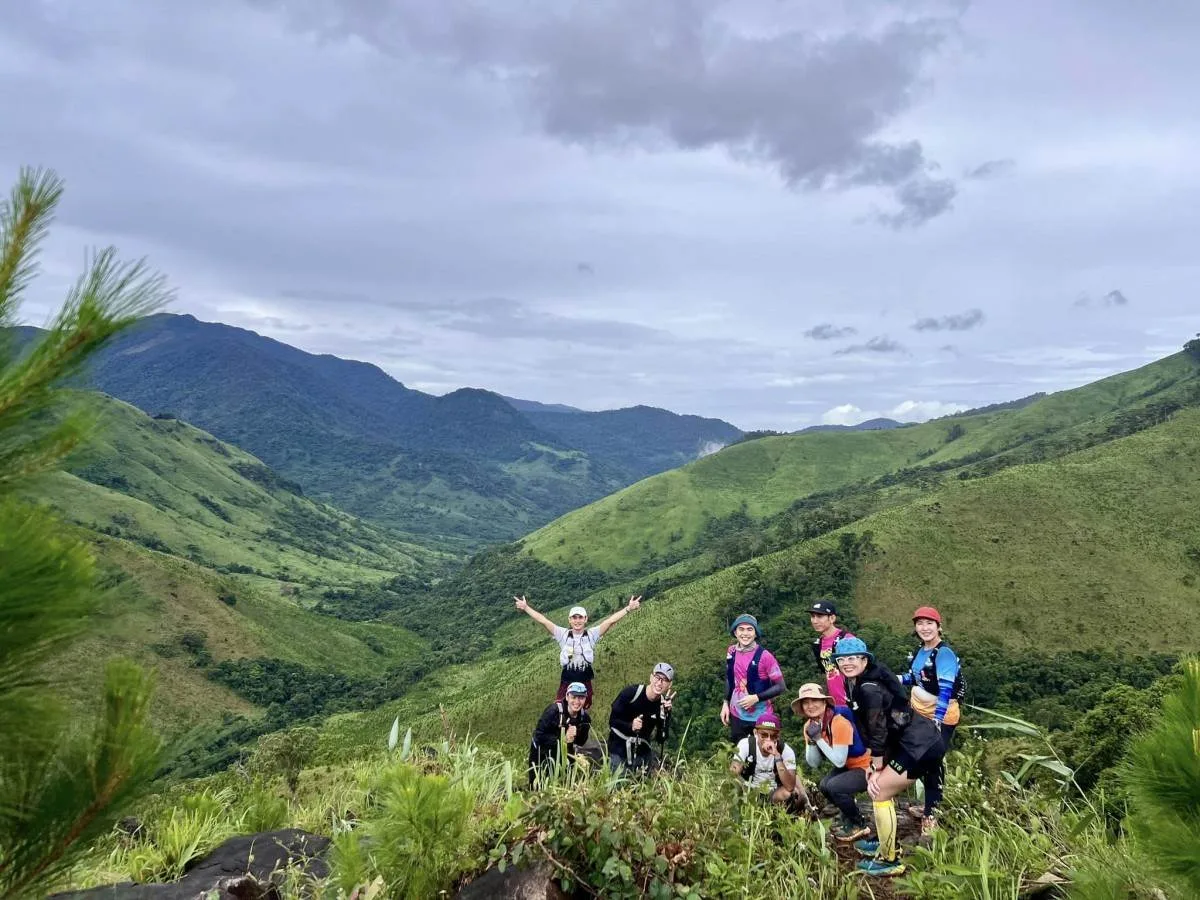
Responsible trekking means considering how your trip affects the landscape, wildlife, residents, and other visitors.
Environmental care is one part of that responsibility. Where you stay, who guides you, and how you interact with people also matter. Vietnam’s official tourism website highlights community-based tours, family homestays, local food, and artisan products as ways travellers can support the places they visit. Vietnam Tourism
For your next trek, turn that idea into a practical question: How can this trip respect the place and benefit the people who welcome us?
2. Protect Mountain Trails by Staying on the Route
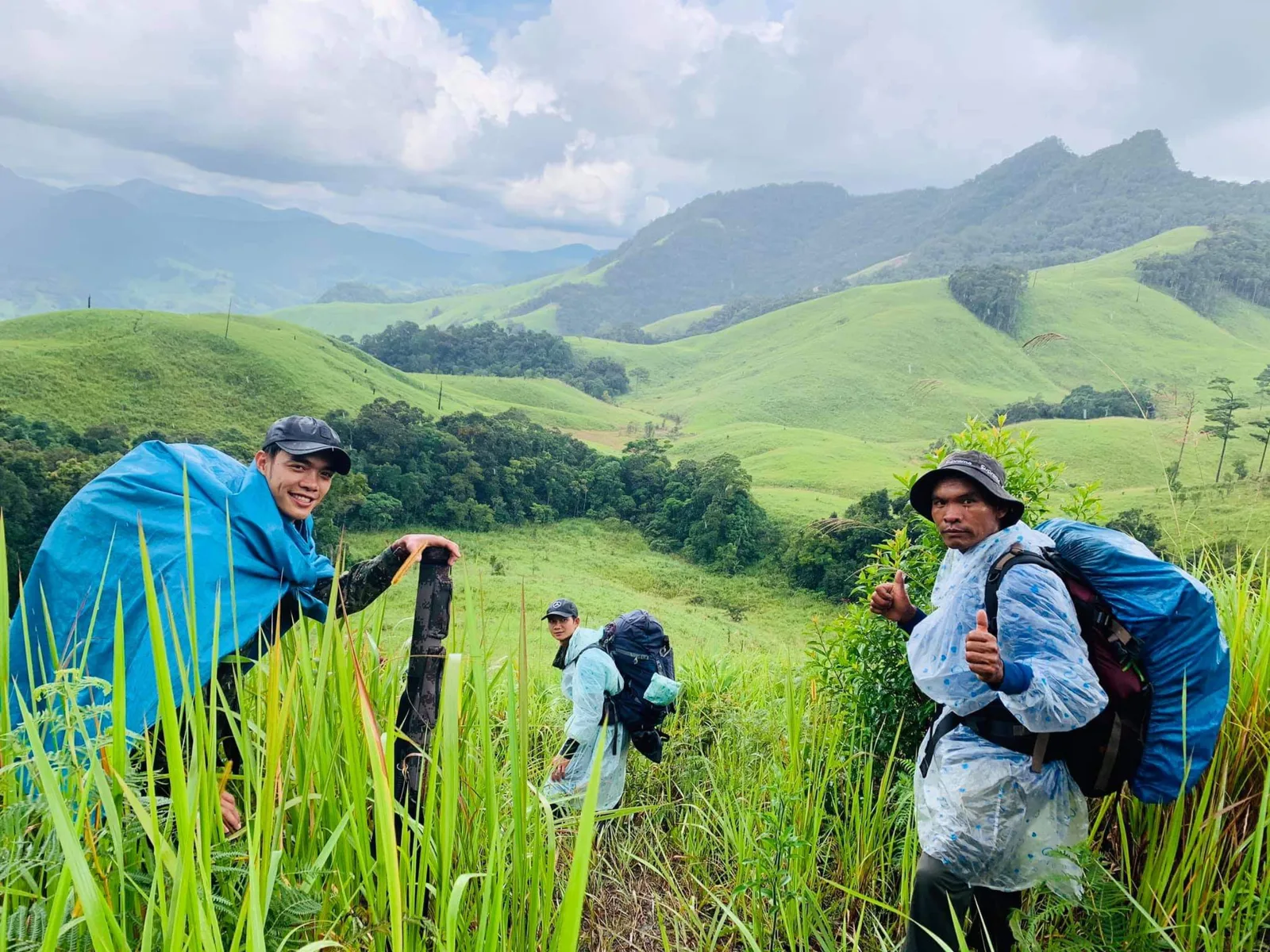
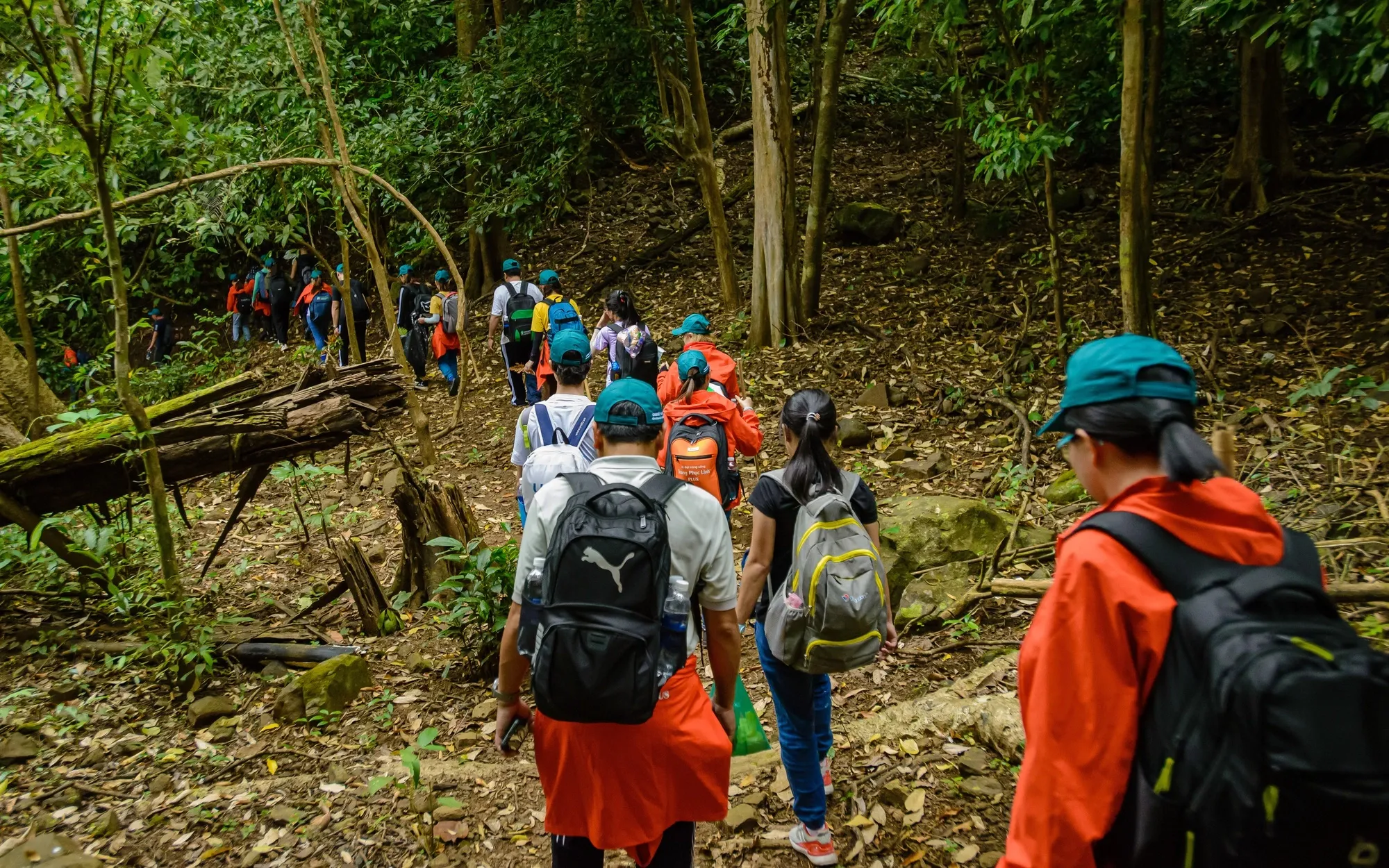
A shortcut may save a few minutes, but repeated footsteps outside a trail can damage vegetation and create additional paths. Leave No Trace recommends concentrating travel on established trails and avoiding shortcuts across switchbacks. Leave No Trace
On your trek:
Follow the designated route and respect closures.
Avoid widening the trail to reach a photo spot.
Take breaks on suitable, durable surfaces.
Use permitted campsites without clearing vegetation or altering the ground.
If a section becomes unsafe, stop and discuss alternatives with your guide. Protecting the trail should never require continuing through a dangerous situation.
A quieter destination still needs careful planning. Fewer visitors do not automatically mean a route is suitable, open, or environmentally resilient.
3. Carry Out All Waste, Including Food Scraps
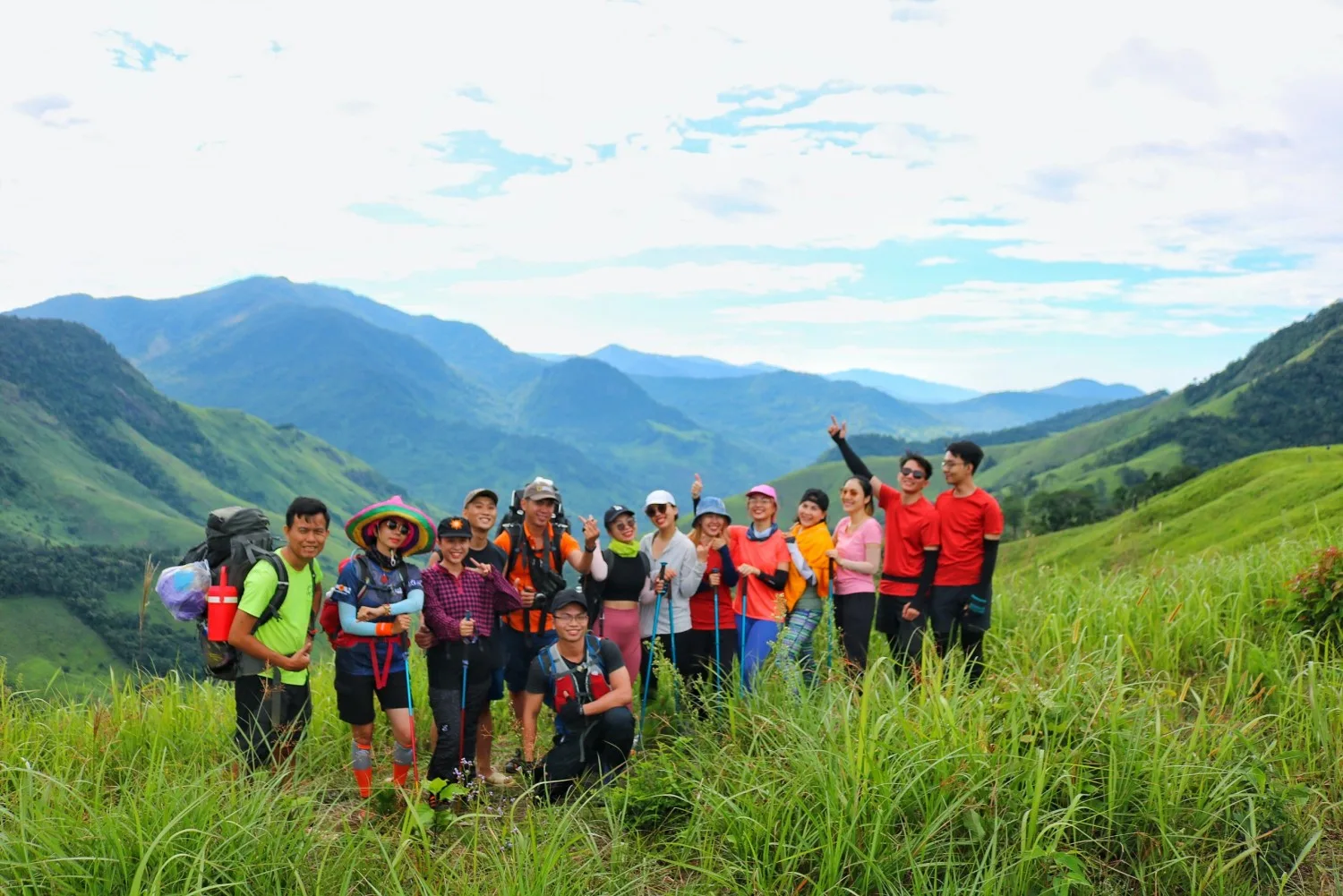
Food scraps belong in your rubbish bag
Orange peels, fruit cores, nutshells, and leftovers should leave the mountain with you. Leave No Trace specifically includes food scraps in its waste guidance and advises against burning rubbish. Leave No Trace Center
Bring a sealable waste bag and check rest stops before moving on. Small items are easy to miss: torn snack wrappers, tissues, bottle caps, and cigarette ends.
Reduce packaging before departure
Use a refillable bottle, reusable food containers, and equipment you already own that remains suitable for the trip. Repack snacks where practical, while keeping food protected.
Ask your operator where drinking water will come from and how waste will be transported out. Do not assume a village or mountain shelter can accept everything your group produces.
If you collect existing litter, pick up only what you can handle safely. Leave sharp, hazardous, or unidentified waste for appropriate collection and report it to your guide.
4. Support Local Communities with Respect
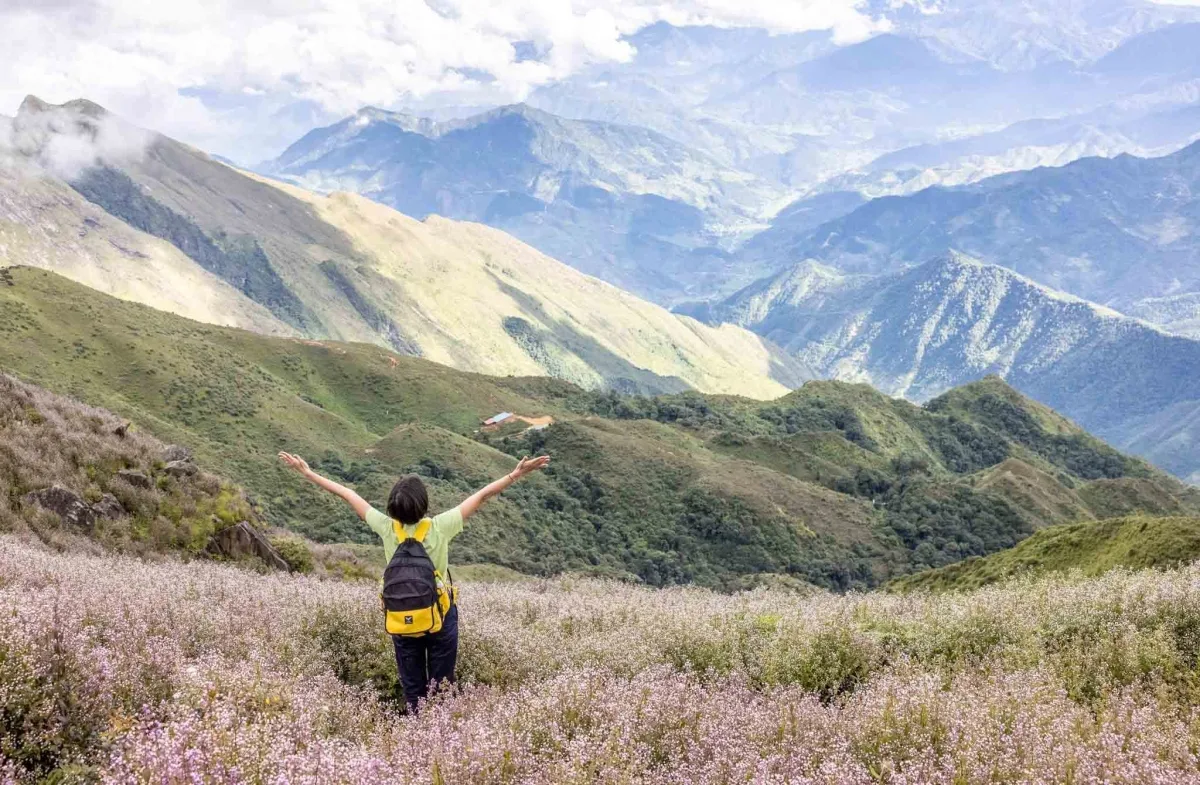
A trek can be an opportunity to learn about the people living along the route. Let those encounters happen on their terms.
Vietnam Tourism recommends locally owned trekking services and family stays around Sa Pa as ways to connect with local culture and support livelihoods. Vietnam Tourism
Consider these choices:
Hire a suitably experienced local guide or an operator employing local staff.
Book locally owned accommodation where available.
Buy meals and genuinely local crafts from community businesses.
Ask permission before photographing people or entering private spaces.
Follow your host’s guidance around homes, worship areas, and village customs.
Ask about prices and services clearly, and respect a person’s decision to decline a photograph or conversation.
Local knowledge is valuable, but assess guiding experience, communication, and emergency arrangements as well.
5. Choose a Trekking Operator Beyond Its “Eco” Label
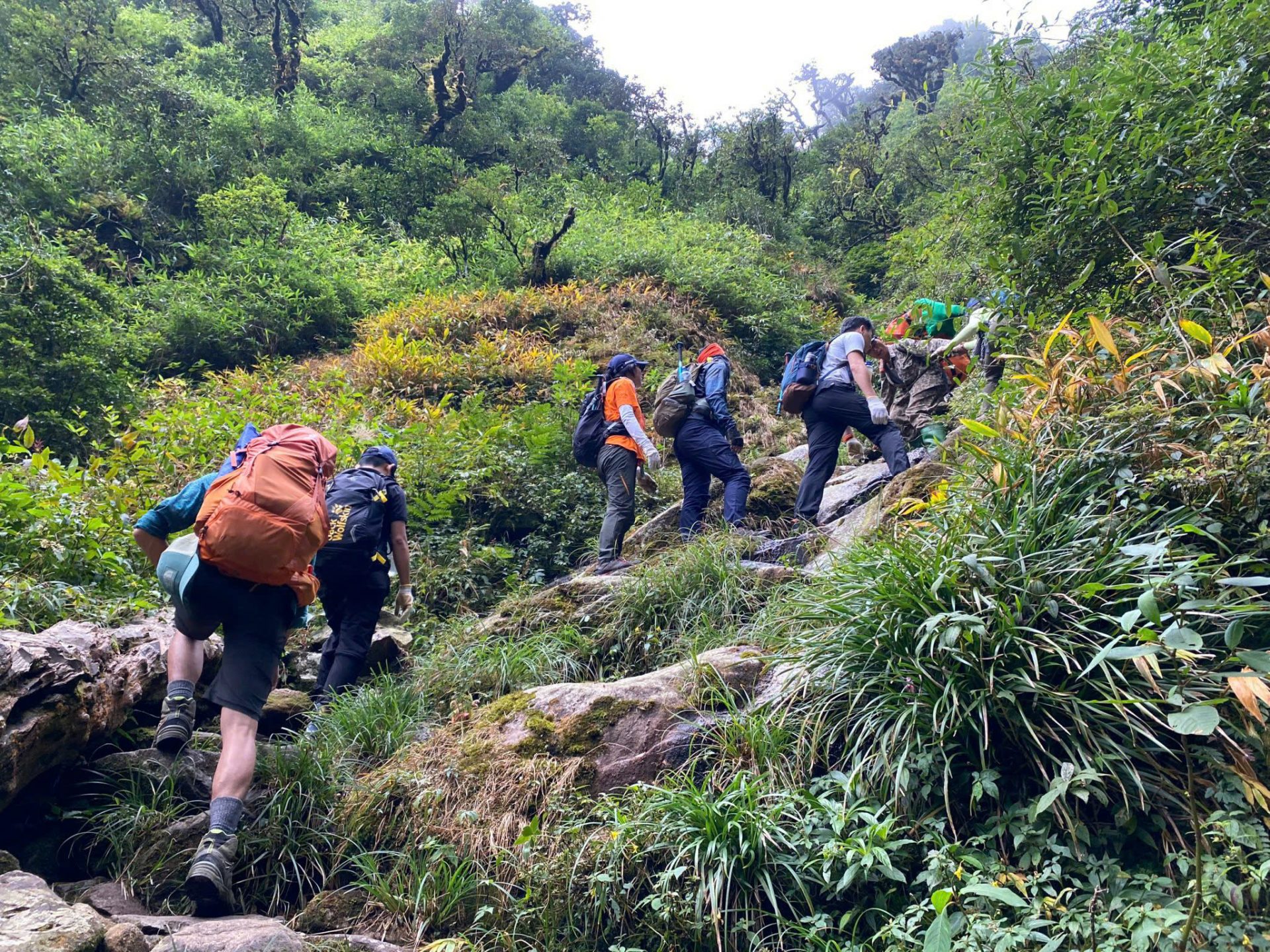
Before booking, ask for specific examples of how the trip operates. Clear answers are more useful than broad sustainability promises.
What to ask | Details worth confirming |
Is the route currently open? | Access arrangements and any required registration |
Who leads the trek? | Relevant route experience and communication arrangements |
How are local staff supported? | Agreed pay, responsibilities, and porter loads |
What happens to rubbish? | Collection, transport, and disposal after the trek |
Where will we sleep? | Permitted accommodation or camping arrangements |
What happens in poor conditions? | Route changes, turnaround decisions, and cancellation terms |
Use the answers to compare trips with similar inclusions. An itinerary should explain both the experience and the practical arrangements behind it.
6. Respect Wildlife and Keep Camps Low Impact

Observe without feeding or approaching
Keep your distance from wildlife. Do not follow animals for photographs or offer food to attract them. Feeding can change natural behaviour and create harmful interactions with people. Secure food and rubbish according to local guidance. Leave No Trace
Check cooking and fire restrictions
Discuss meals with your operator before departure. Where permitted, a suitable camping stove can reduce the need for a wood fire. Never assume an existing fire scar means fires are allowed, and follow current restrictions. Leave No Trace Center
Keep evening noise low and leave natural objects where you find them. A memorable campsite does not need decorations, carved initials, or a speaker.
7. Use ExoTrails to Support Your Preparation
ExoTrails offers trail discovery and route navigation. Its Explorer plan includes offline maps, wrong-turn alerts, and backtrack navigation—tools that can support preparation and orientation on your trip. ExoTrails
Before leaving:
Review the intended route with your guide.
Download the relevant maps if your plan includes offline access.
Test your setup and carry spare power.
Confirm current access and conditions with the operator or destination management.
A route displayed on a map does not establish permission to enter or confirm current trail conditions. Follow closures, signs, and instructions on the ground.
Explore destinations and start planning with ExoTrails.
8. Your Responsible Trekking Checklist
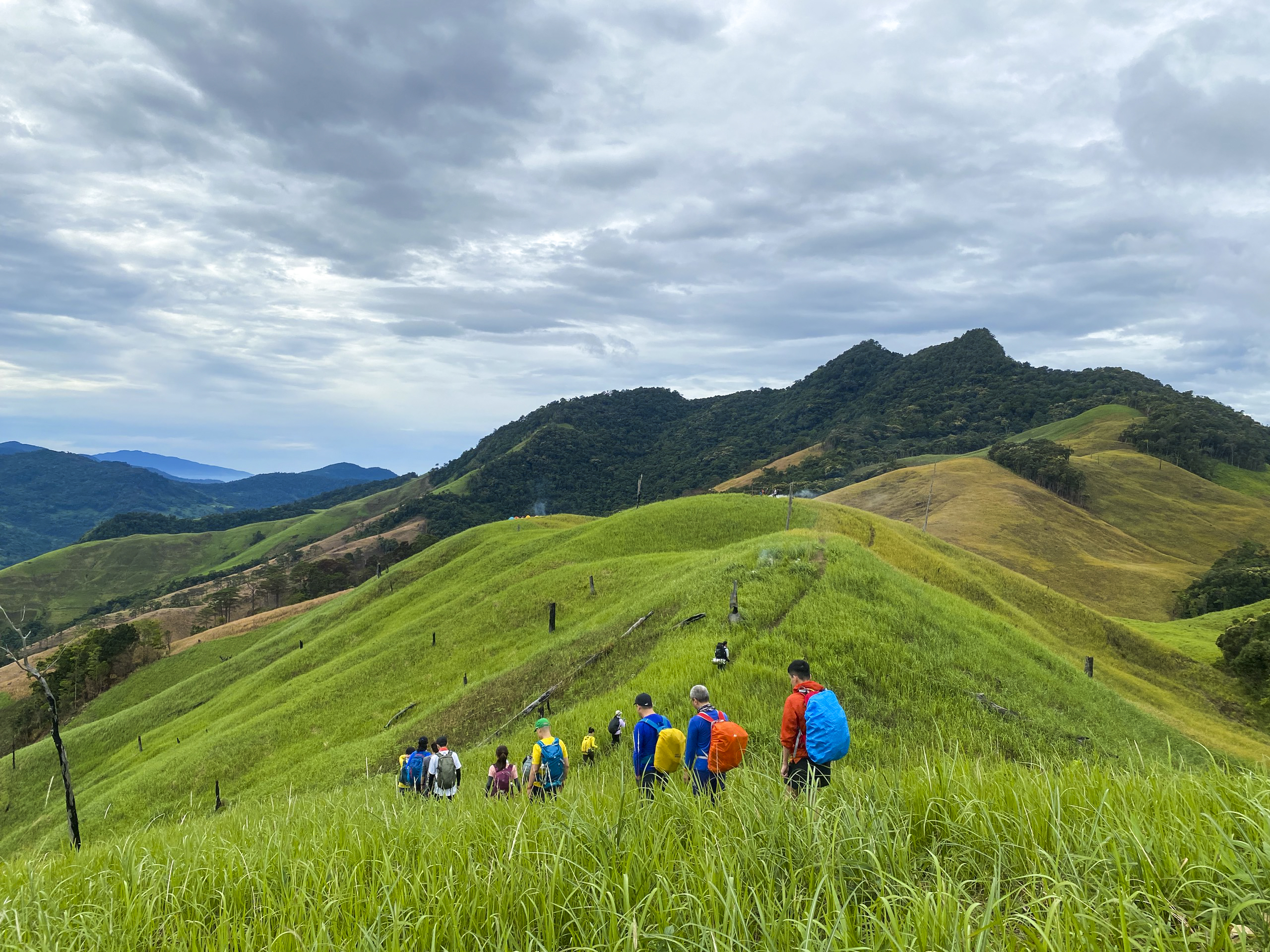
Save this checklist for your next mountain trip:
Route: Confirm the start, finish, access arrangements, and overnight stops.
Conditions: Check the forecast and obtain current local information.
Team: Discuss pace, communication, and when to turn back.
Equipment: Test footwear, lighting, navigation, and spare power.
Waste: Pack reusable containers and a secure rubbish bag.
Community: Confirm local services and respect photography boundaries.
Departure: Check your rest area and campsite before leaving.
For route ideas and a broader equipment checklist, read ExoTrails’ guide to hiking in Vietnam.
9. Frequently Asked Questions About Responsible Trekking in Vietnam
Can I leave biodegradable food waste on the trail?
Carry it out. Biodegradable packaging or food scraps still belong in your waste plan; they should not be discarded along the route. Leave No Trace Center
How can I support local people during a trek?
Choose local guides, accommodation, meals, or artisan products where suitable. Ask who provides these services and how they are included in your booking. Vietnam Tourism
Is a less crowded trail always more responsible?
No. Consider access, environmental sensitivity, available facilities, and your group’s ability to manage its impact. Follow the route agreed with your guide.
Can an app replace a trekking guide?
Use an app as a supporting tool. For an unfamiliar or remote route, arrange appropriate guidance and confirm any destination requirements before departure.
Beyond the Summit: Make Your Next Trek Count
Reaching the summit can be a wonderful part of a trek. So can sharing a meal with your hosts, noticing the forest around you, and leaving a campsite ready for the next group.
Choose your route thoughtfully, carry your waste home, and give the people and places along the way the respect they deserve.
Ready for your next adventure? Discover trails with ExoTrails and prepare for a journey worth taking care of.
Connect with our outdoor community:
Join Run, Trek & Camp | Basecamp Việt Nam to exchange experiences with fellow explorers.
Follow ExoTrails Worldwide for more outdoor inspiration.