

- The Secrets of Mekong Delta Boat Building: An Amazing Legacy of Craftsmanship
- Sapa Trekking Difficulty: Surprising Realities You Must Know for a Successful Adventure
- Vietnam Adventure Routes 2026: The Ultimate Guide to Epic Uncharted Trails
Northern Heights: Peaks, Terraces, and Misty Trails
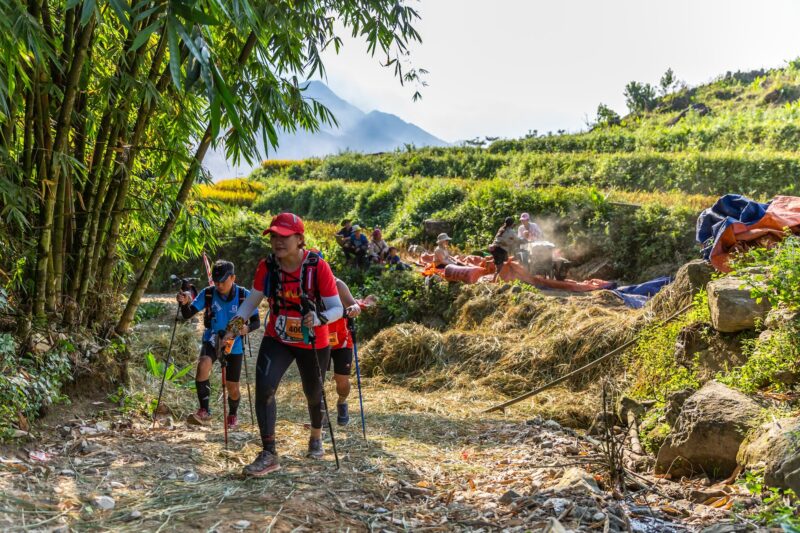 The Sapa region in Lào Cai Province is a magnet for trail runners seeking both challenge and beauty. Located near the border with China, this mountainous area is home to Fansipan, the highest peak in Indochina. The trails here wind through iconic rice terraces that change colour with the seasons from the mirror-like water-filled fields of spring to the brilliant emerald of summer and the shimmering gold of the autumn harvest. These paths cross ancient bamboo bridges and dip into hidden valleys where the local Hmong, Dao, and Tay communities have lived for centuries.
Running in Sapa demands high levels of agility and endurance. The terrain is rarely flat. Steep ascents test your cardiovascular limits and leg strength, while rapid descents through uneven, often muddy terrain sharpen your reflexes and focus. The weather adds another layer of complexity; the mountains are often cloaked in a thick mist that can reduce visibility and cool the air, providing a surreal, atmospheric backdrop to your run. The reward for this effort is immediate and profound: panoramic vistas of layered mountains fading into the horizon, cascading waterfalls that roar in the distance, and remote villages that feel seemingly suspended in time.
The Sapa region in Lào Cai Province is a magnet for trail runners seeking both challenge and beauty. Located near the border with China, this mountainous area is home to Fansipan, the highest peak in Indochina. The trails here wind through iconic rice terraces that change colour with the seasons from the mirror-like water-filled fields of spring to the brilliant emerald of summer and the shimmering gold of the autumn harvest. These paths cross ancient bamboo bridges and dip into hidden valleys where the local Hmong, Dao, and Tay communities have lived for centuries.
Running in Sapa demands high levels of agility and endurance. The terrain is rarely flat. Steep ascents test your cardiovascular limits and leg strength, while rapid descents through uneven, often muddy terrain sharpen your reflexes and focus. The weather adds another layer of complexity; the mountains are often cloaked in a thick mist that can reduce visibility and cool the air, providing a surreal, atmospheric backdrop to your run. The reward for this effort is immediate and profound: panoramic vistas of layered mountains fading into the horizon, cascading waterfalls that roar in the distance, and remote villages that feel seemingly suspended in time.
Central Highlands: Flow Through Forests and Plateaus
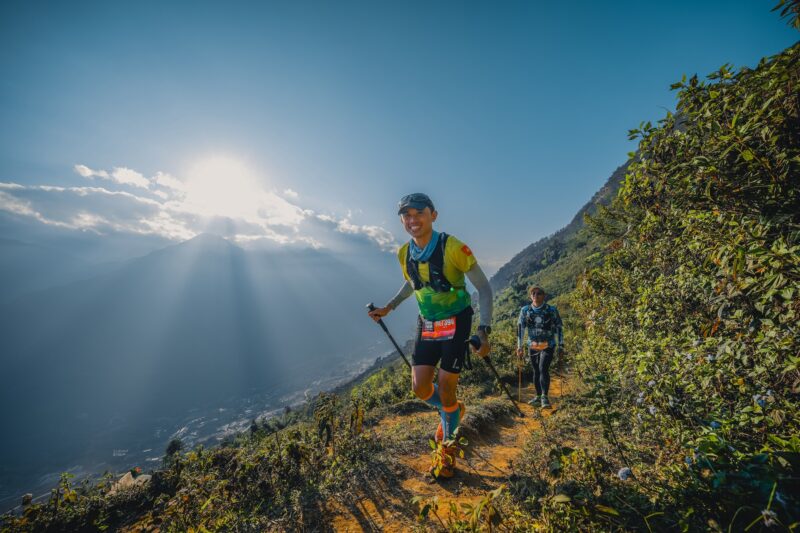 Further south, the central highlands around Da Lat offer a starkly different running experience compared to the jagged peaks of the north. Known as the "City of Eternal Spring," Da Lat sits at an elevation of 1,500 meters, offering a temperate climate that is perfect for long-distance running. Here, the landscape is dominated by vast pine forests, volcanic plateaus, and hidden waterfalls. The terrain consists of long stretches of runnable paths with gentle undulations, making it a favorite for those who enjoy maintaining a steady rhythm.
Gravel paths through sprawling coffee plantations reveal both the region’s agricultural heart and its secluded trails. In Da Lat, trail running is about finding your flow. The soft carpet of pine needles underfoot provides a natural cushion, while the crisp, highland air keeps the body cool. These trails encourage a high cadence, but the environment changes just enough—transitioning from dense forest to open ridges—to keep the mind fully engaged. Multi-day runs are particularly popular in this region, combining physical challenge with immersive exploration. Many runners opt for guided experiences to gain local insight into the flora and fauna of the Lang Biang plateau.
Further south, the central highlands around Da Lat offer a starkly different running experience compared to the jagged peaks of the north. Known as the "City of Eternal Spring," Da Lat sits at an elevation of 1,500 meters, offering a temperate climate that is perfect for long-distance running. Here, the landscape is dominated by vast pine forests, volcanic plateaus, and hidden waterfalls. The terrain consists of long stretches of runnable paths with gentle undulations, making it a favorite for those who enjoy maintaining a steady rhythm.
Gravel paths through sprawling coffee plantations reveal both the region’s agricultural heart and its secluded trails. In Da Lat, trail running is about finding your flow. The soft carpet of pine needles underfoot provides a natural cushion, while the crisp, highland air keeps the body cool. These trails encourage a high cadence, but the environment changes just enough—transitioning from dense forest to open ridges—to keep the mind fully engaged. Multi-day runs are particularly popular in this region, combining physical challenge with immersive exploration. Many runners opt for guided experiences to gain local insight into the flora and fauna of the Lang Biang plateau.
Southern Trails: The Mekong Delta’s Lush Corridors 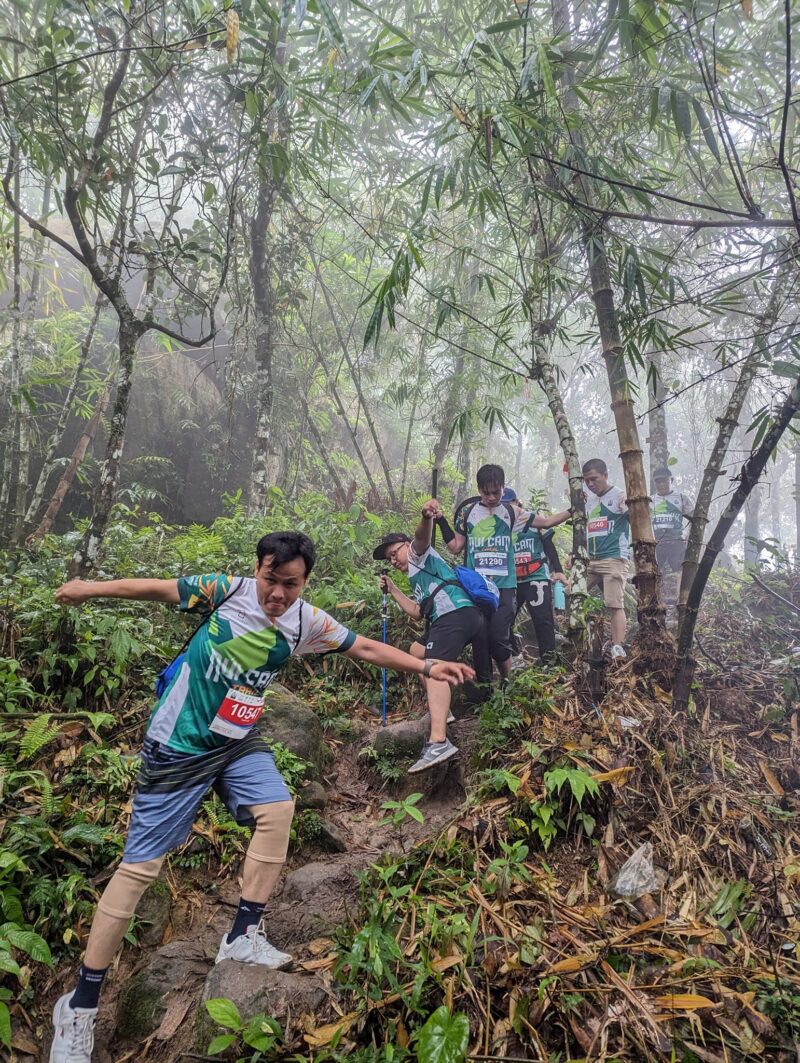
In the south, the Mekong Delta offers lowland trail running that is technically easier in terms of elevation but rich in cultural encounters and environmental challenges. This is a world of water and greenery. Narrow paths wind through fruit orchards heavy with mango and durian, emerald rice paddies, and small riverside villages. The trails here are often single-track paths used by locals to move between farms, providing a truly authentic "off-the-beaten-path" experience.
Early morning runs are essential here to catch the delta at its most vibrant. As the sun rises, you will see farmers tending their crops and children playing along the trails on their way to school. While the terrain is flatter than the north, the tropical heat and high humidity challenge a runner's stamina and pace. Proper hydration and strategic timing become crucial for survival and performance. These runs allow you to experience life in the delta up close—far from the typical tourist boat tours. Every step tells a story of a working landscape where daily life is intricately intertwined with the ebb and flow of the river.
Top Vietnam Trail Running Events
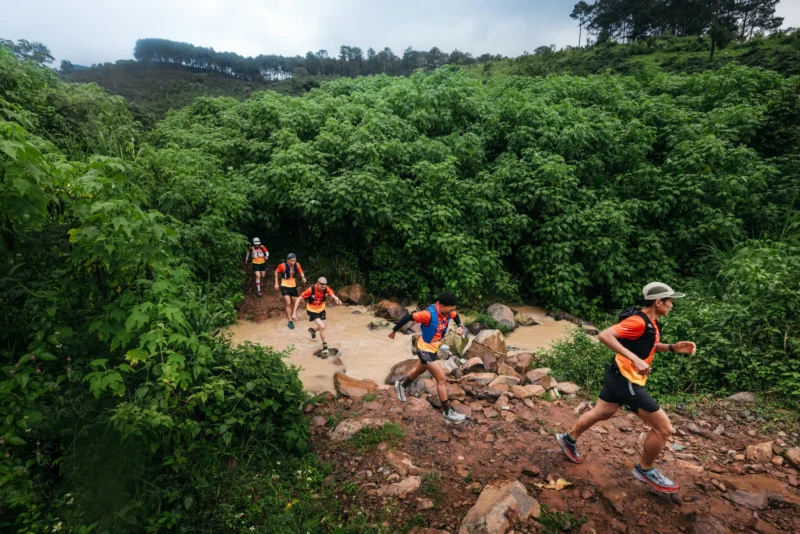 For those looking to combine their adventure with a competitive experience, the calendar is packed with notable Vietnam trail running events. These races are famous for their professional organization, challenging courses, and incredible community spirit.
- Sapa Mountain Marathon (VMM): Held annually in the northern mountains, this is perhaps the most famous of all Vietnam trail running events. It features routes ranging from 10km to ultra-marathon distances. The course navigates through the heart of the Hoang Lien National Park, crossing rice terraces and ethnic minority villages. It offers breathtaking views while testing every ounce of a runner's technical skill and mental fortitude.
- Da Lat Ultra Trail: This is a premier multi-day race in the central highlands. It takes runners through the signature pine forests, waterfalls, and volcanic plateaus of the region. It is ideal for those seeking a sustained challenge with varied terrain that is less technical than Sapa but requires significant endurance due to the distances involved.
- HCMC Adventure Run: While based in the south, this event manages to integrate nearby tropical trails, rubber plantations, and occasional river crossings. It gives city-based runners and visitors a taste of rural trail adventure without needing to travel far from the international hub of Ho Chi Minh City. It is a fantastic introduction to the humidity and heat of southern running.
- Fansipan Trail Challenge: For elite and highly experienced runners, this event takes on the "Roof of Indochina." It combines incredibly steep climbs with technical descents in a spectacular alpine environment. This race is not for the faint of heart, as it involves significant elevation gain and often unpredictable mountain weather.
Trail Running as Cultural Immersion 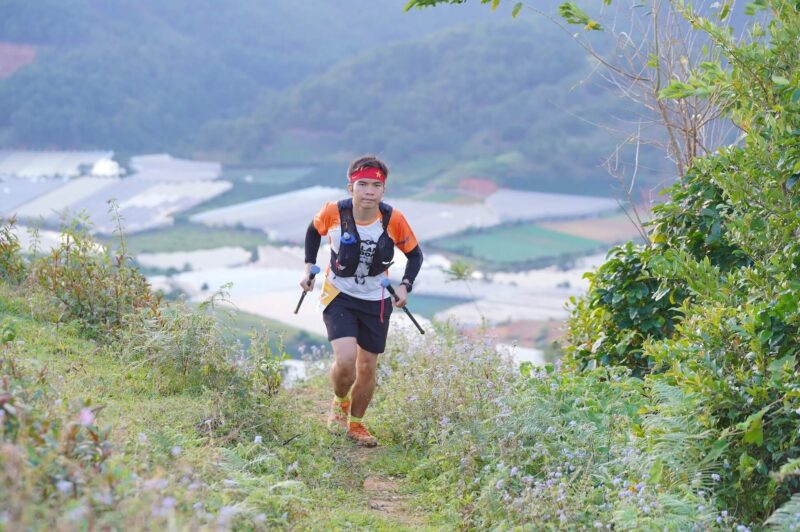
The beauty of participating in Vietnam trail running events or exploring the trails solo is the deep sense of connection it fosters. Trail running here isn’t just about the physical terrain, it’s about the human landscape. Running past a farmer tending his terraces, dodging a water buffalo, or seeing locals preparing traditional meals creates a rhythm between the body and the place. These fleeting moments turn every run into a moving conversation with the land and the people who call it home.
Unlike traditional tourism, which can sometimes feel like observing from behind a glass pane, trail running puts you in the thick of it. You share the same dust, the same rain, and the same paths as the local communities. This shared experience often results in warm smiles, high-fives from children, and a profound respect for the resilience of the people living in these remote areas.
Planning and Safety Tips
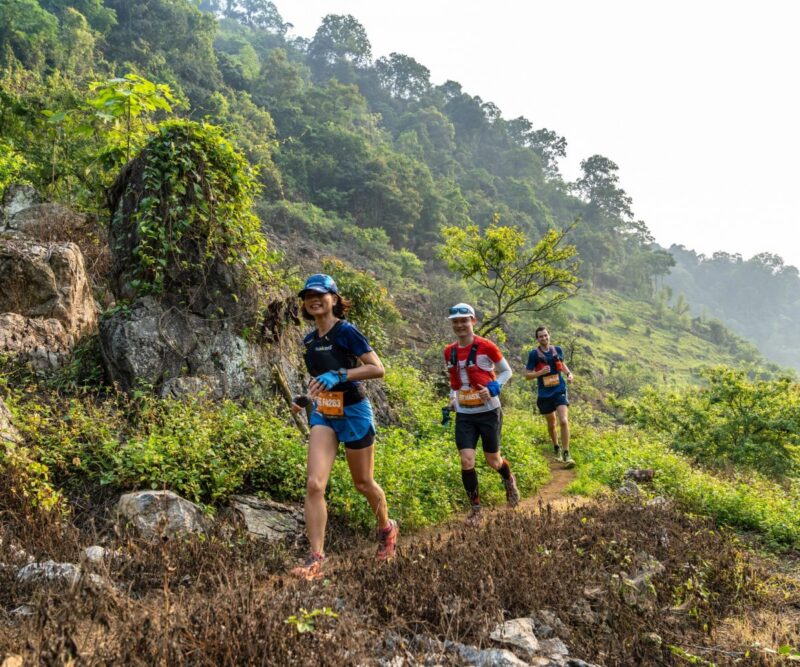 To make the most of your time at Vietnam trail running events, preparation is key. The environment can be unforgiving if you are not equipped correctly.
- Gear: Invest in high-quality trail shoes with excellent grip for muddy or slippery surfaces. Lightweight hydration vests are essential, as is moisture-wicking clothing to handle the humidity.
- Timing: Always aim for early morning starts. This allows you to avoid the peak heat of the day and enjoy the best light for the spectacular views.
- Navigation: While many trails are visible, it is easy to get turned out in the mountains or the delta. Use local guides or specialized apps like ExoTrails, which offer guided participation and safety features for lesser-known sections.
- Pacing: Adjust your expectations for speed. The steep ascents of the north, the narrow terraces, and the slippery descents mean your average pace will be much slower than on the road. Listen to your body and enjoy the journey.