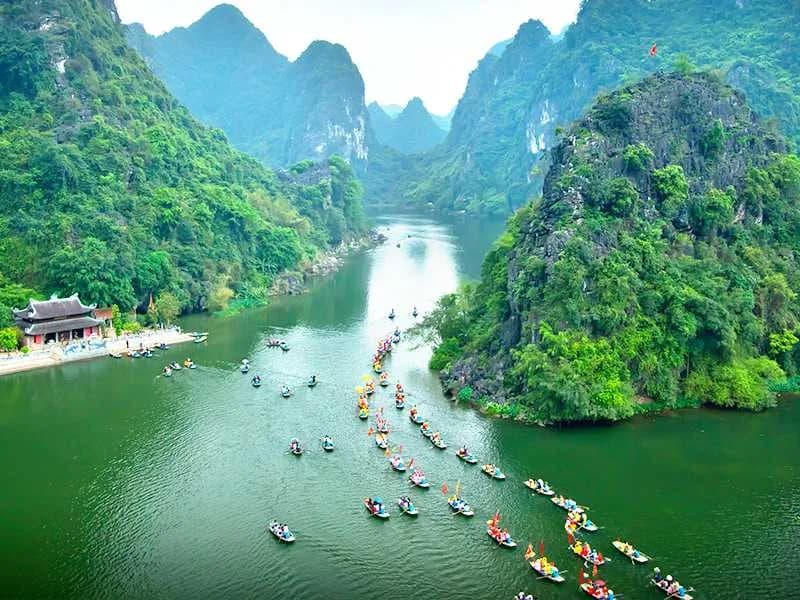
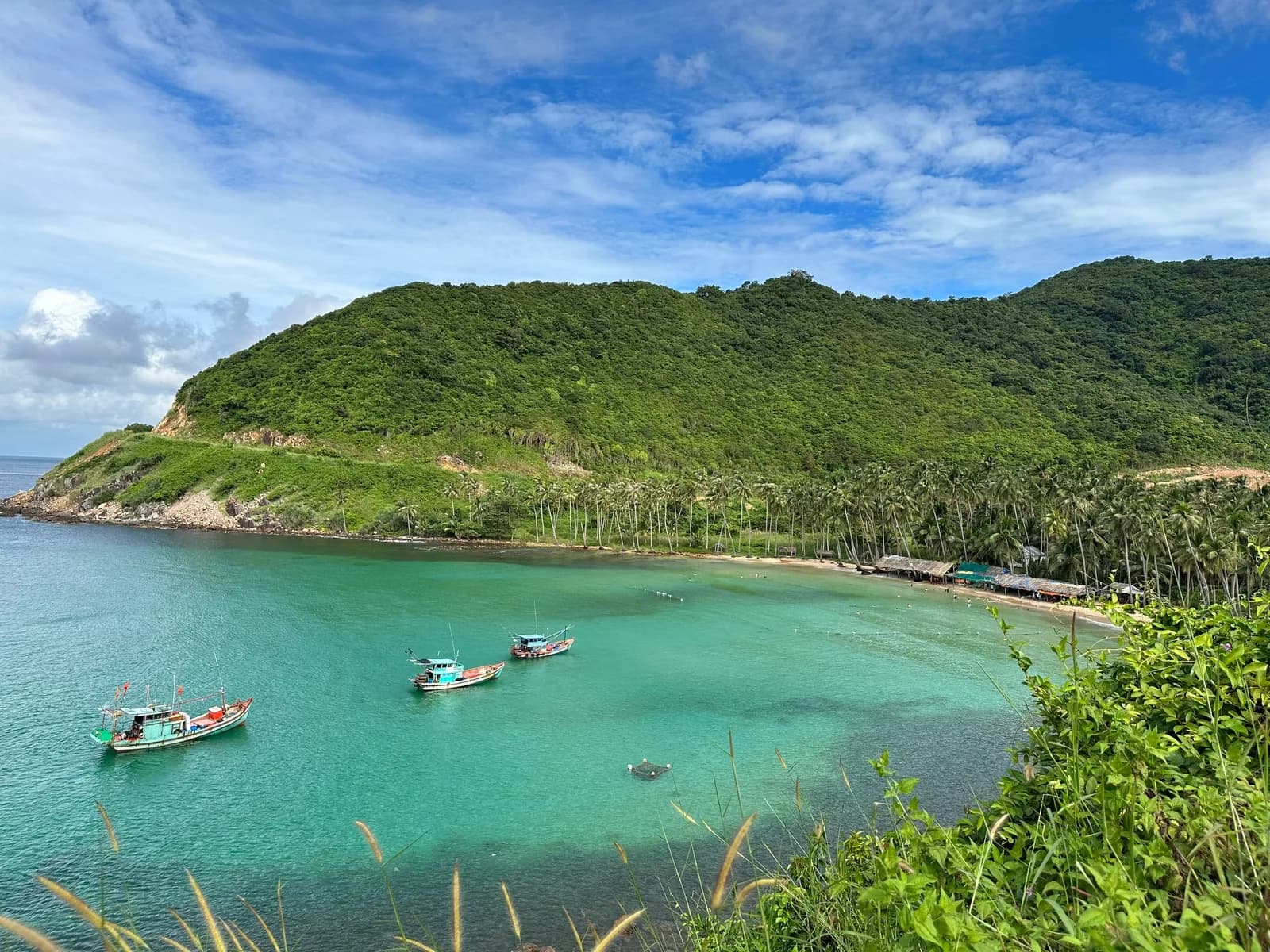
A morning beside the harbour. A walk with no hurry to reach the next viewpoint. A meal that lasts a little longer because there is nowhere else you need to be.
For travellers looking for islands in Vietnam where they can spend more time outdoors and build a less crowded itinerary, Nam Du, Ly Son, Hon Son, and Co To offer four different possibilities.
Each has its own landscape and community. Each also has visitor services, busy periods, and practical considerations. Finding a slower escape starts with choosing the right island for your route, season, and interests.
This guide compares the four destinations and explains how to plan a visit with enough room to enjoy it.
Discover more fascinating guides:
1. Compare Four Islands in Vietnam
Use this table to narrow down the experience you want before arranging transport.
Destination | Setting | Experience to consider | Planning priority |
|---|---|---|---|
Nam Du Islands | Southern Vietnam, Gulf of Thailand | Island-hopping, coastal views, and fishing-community life | Mainland crossings and smaller-boat arrangements |
Ly Son | Central Vietnam, off Quang Ngai | Volcanic scenery, agricultural landscapes, and maritime heritage | Sea conditions and transport between islands |
Hon Son | Southern Vietnam, Gulf of Thailand | A beach stay with opportunities for hill walking | Current trail conditions and suitable local guidance |
Co To | Northern Vietnam, Quang Ninh | Beaches, rocky shores, and coastal exploration | Weather, departure port, and seasonal demand |
These are alternative starting points for an island holiday. Visiting all four would involve substantial travel between regions.
2. Nam Du Islands: Give Yourself Time Between the Shorelines
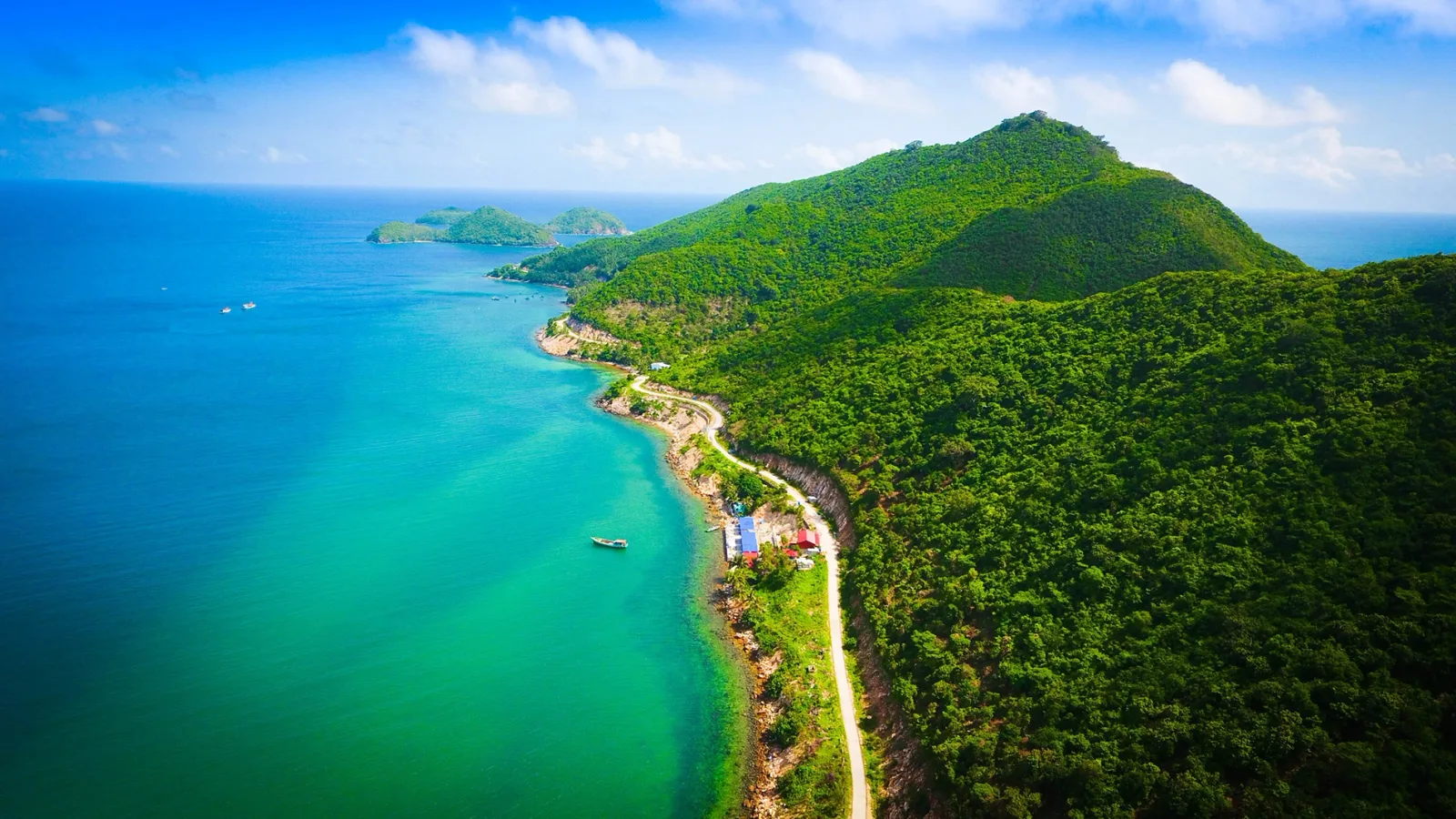
Nam Du is an archipelago southeast of Phu Quoc. Vietnam Tourism highlights Hon Lon, Cay Men Beach, and Hon Mau among its attractions, with passenger boats from Rach Gia providing an established access route.
Its appeal comes from the relationship between islands and the sea: boats moving through the harbour, changing coastal views, and meals shaped by local seafood.
A stay can be simple. Choose a base, explore nearby, and add an excursion when conditions suit. You do not need a long list of stops to appreciate the setting.
What to Confirm Before Booking
Ask where your accommodation is located, how to reach it from the pier, and what facilities are available. If you plan an island-hopping trip, confirm the stops, boat arrangements, life jackets, and activities included.
Vietnam Tourism recommends December–April as a favourable period to consider. Conditions still vary within that window, so check transport updates close to departure.
Read our Nam Du Islands guide for a closer look at planning your stay.
3. Ly Son Island: Volcanic Scenery and Life Among the Fields
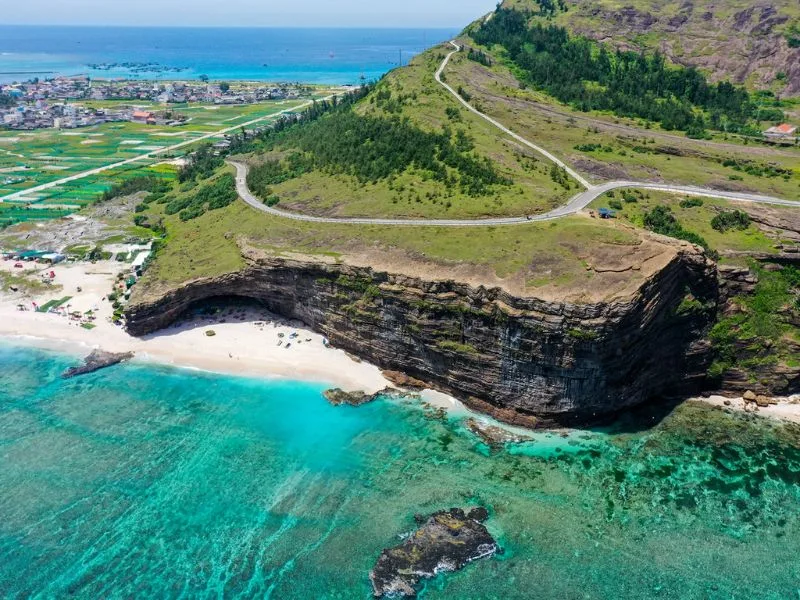
Ly Son offers a different visual experience. Volcanic landforms, dark coastal rock, and agricultural plots give the islands a distinctive character. Garlic farming is an important part of their identity, alongside maritime culture and religious sites.
Spend time looking beyond the familiar viewpoints. Fields, harbours, and streets reveal how people live within this exposed coastal landscape.
Explore at a Comfortable Pace
Choose a few places you want to understand rather than filling every hour. Walking can suit shorter outings; discuss transport for longer distances with your host.
Thoi Loi and To Vo Gate are among the landmarks described by Vietnam Tourism. Visits to An Binh, also known as the Small Island, involve a separate boat journey.
Stay clear of unstable edges and wave-washed rocks. A viewpoint that looks appealing in a photograph may require different decisions in strong wind or rough weather.
Plan Around the Crossing
Sa Ky Port is an established departure point for Ly Son. Vietnam Tourism identifies April–August as a favourable period to consider, but the marine forecast and current service notices should guide your actual journey.
Ask your carrier about luggage, identification, check-in, and cancellation conditions before booking.
4. Hon Son Island: Combine Beach Time with a Walk Inland
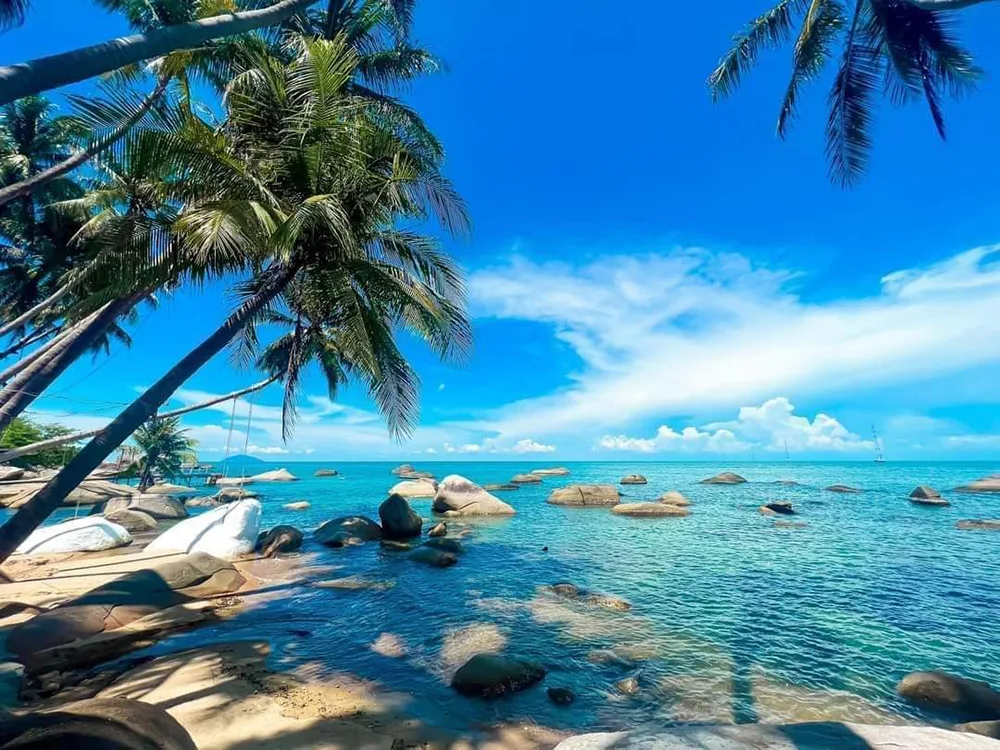
Hon Son offers an opportunity to balance time beside the sea with a more active outing.
Vietnam’s tourism authority identifies beaches including Bai Bang and Bai Bac, alongside Ma Thien Lanh as a recognised hiking attraction. These give visitors options beyond a day spent entirely on the shore.
You might spend one morning near the water and reserve another for a locally arranged walk. Leave time between them to rest, eat, and enjoy the place where you are staying.
Check the Hike Before Committing
Ask about the actual starting point, terrain, walking time, and conditions after rain. Explain your experience honestly so your host or guide can help assess whether the route suits you.
Carry water, rain protection, suitable footwear, and lighting for an unexpected delay. Avoid following an unfamiliar side trail simply because it appears to lead toward a view.
For transport, check the current Rach Gia–Hon Son services directly with the carrier. Superdong’s official website links to its online booking system, where you can check available routes and dates.
5. Co To Island: A Northern Coastal Escape with Room to Explore
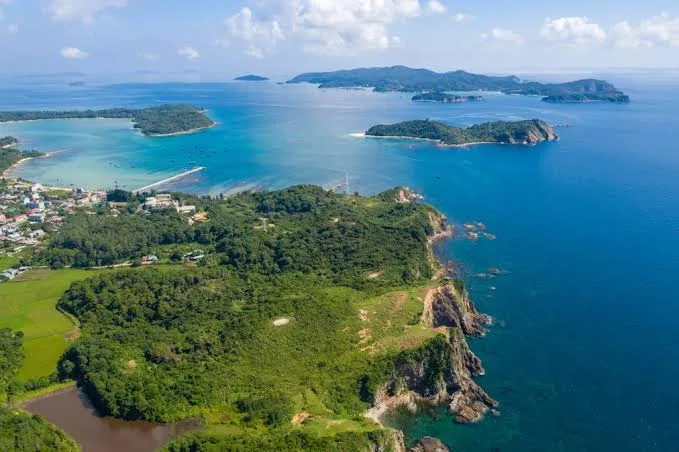
Co To offers beaches and rocky coastal scenery in Quang Ninh. Hong Van, Van Chay, and the Mong Rong rock area are among the locations identified by local authorities.
It also has an established tourism industry. Choose accommodation and dates with that in mind rather than expecting an undeveloped island.
A slower visit might include a morning walk, time at an open beach, and a relaxed meal. Keep the day flexible enough to change plans when weather affects activities.
Confirm the Correct Departure Port
Older itineraries may name Cai Rong. Quang Ninh’s provincial portal documented the transfer of tourist passenger services toward Ao Tien Port in 2023. Confirm the exact port on your current ticket before arranging mainland transport.
During severe weather, beach activities and sea excursions may be suspended. Co To authorities have explicitly instructed visitors to follow such closures.
6. How to Plan a Slower Island Holiday
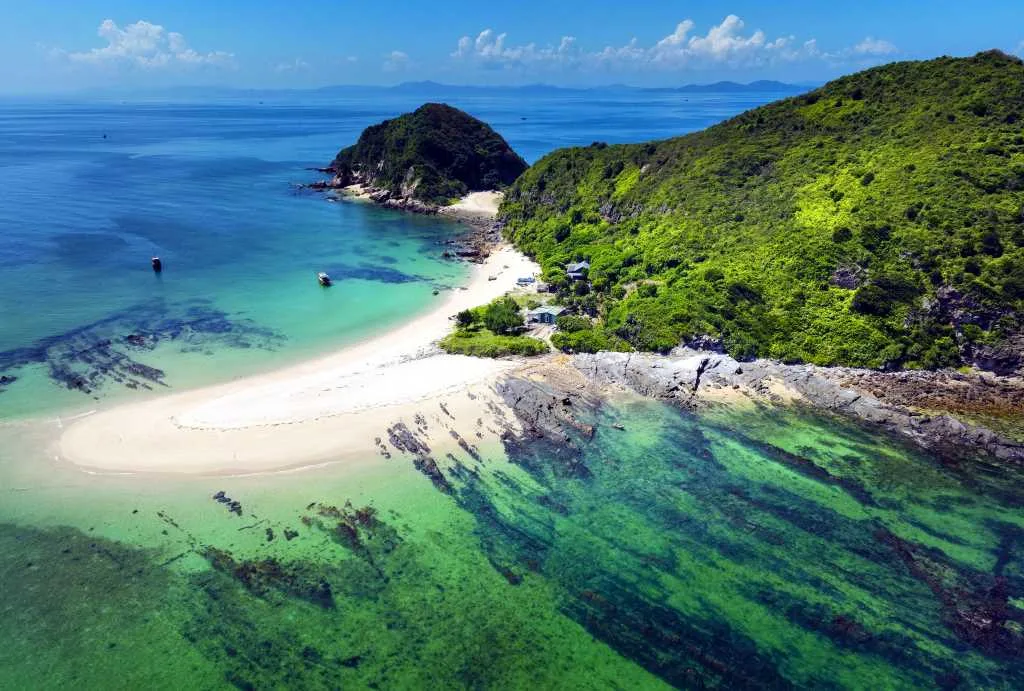
Choose One Base First
Start with the island that fits your wider Vietnam itinerary. A northern stay, a central coastal journey, and a southern island trip require different travel arrangements.
As a suggested starting point, allow two or three nights on your chosen island if your schedule permits. This creates space for arrival, a full day outdoors, and adjustments without turning every morning into a departure.
Leave a Margin for Transport Changes
Before confirming accommodation, check:
The outbound and return services for your dates.
The precise departure and arrival ports.
Ticket change and cancellation conditions.
Required identification.
Accommodation policies if boats are disrupted.
Your onward journey after returning to the mainland.
Avoid a tight connection between an island crossing and an important flight.
Book for the Facilities You Need
Ask about room arrangements, meals, mobile reception, Wi-Fi, and transfers. A relaxed trip is easier when essential expectations are clear.
For a quieter stay, discuss room location and nearby activity with the property. “Sea view” alone does not tell you whether a room faces a busy harbour, a road, or a quieter shoreline.
7. Enjoy Island Nature Responsibly
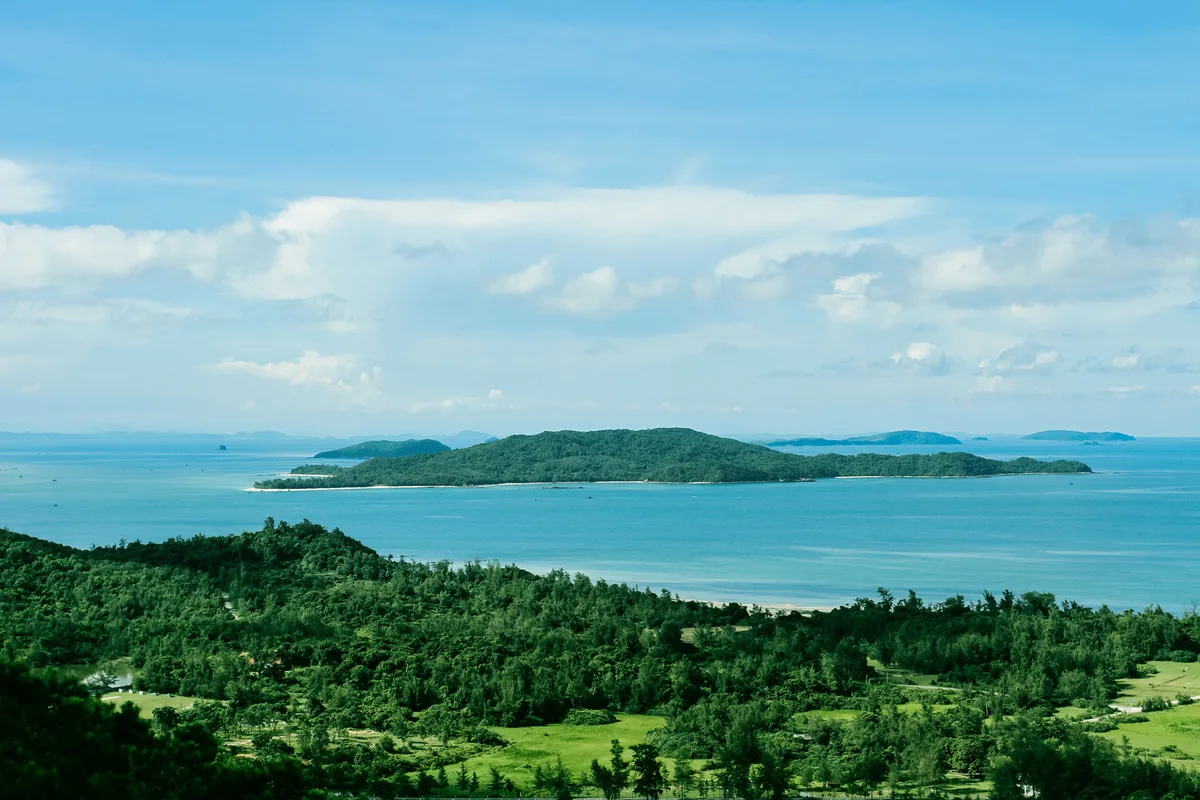
A destination’s size or limited infrastructure does not establish that tourism there is sustainable. The choices made by visitors and businesses matter.
During your trip:
Use refillable items where practical and keep rubbish secure.
Ask permission before photographing residents closely.
Keep clear of fishing equipment and working harbour areas.
Avoid touching or standing on coral.
Leave shells, marine organisms, and natural features where they belong.
Choose operators who explain their safety and waste-management practices.
Check swimming conditions with local staff and follow signs or closures. Clear water and an attractive beach do not establish that a location is suitable for swimming.
Use ExoTrails to find inspiration for outdoor exploration, while confirming boat services and activity arrangements directly with providers.
8. Frequently Asked Questions About Islands in Vietnam
Which island suits a mix of beaches and walking?
Hon Son is worth researching for its combination of beaches and the Ma Thien Lanh hiking attraction. Confirm the specific route and conditions before choosing a walk.
Which destination is especially interesting for geology?
Ly Son is a strong option for travellers interested in volcanic coastal scenery and its relationship with island agriculture.
Are these islands always quiet?
No. Holidays, weekends, local events, and popular travel periods can change the atmosphere. Ask about your specific dates and accommodation location.
Can I combine Nam Du and Hon Son?
Investigate current connections before building a combined itinerary. Do not assume every service allows a convenient stopover or that your preferred connection operates daily.
Is there one best season for all four destinations?
No. They lie in different regions. Choose your island and travel window together, then check local weather and transport conditions.
Find Your Own Island Pace
A rewarding island trip can be built around a few simple pleasures: a walk, a conversation, a meal, and time beside the water.
Choose the landscape that draws you, prepare for the journey, and leave some hours unplanned.
Discover more coastal and outdoor destinations with ExoTrails, and start shaping a trip at your own pace.
Connect with our outdoor community:
Join Run, Trek & Camp | Basecamp Việt Nam to exchange trip experiences.
Follow ExoTrails Worldwide for more outdoor inspiration.