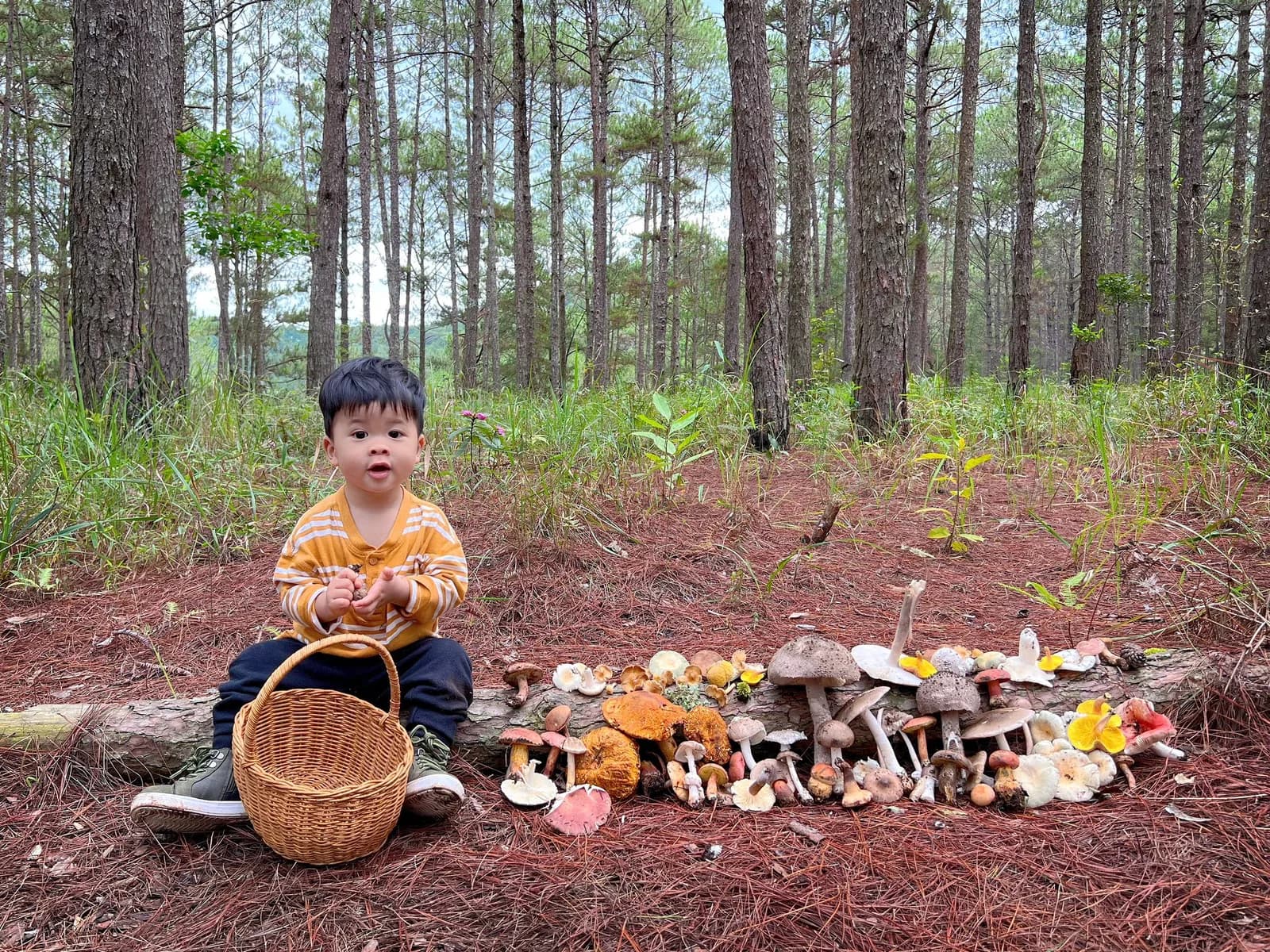


In today's increasingly digital world, it's easy for children to spend hours glued to screens, neglecting the immense benefits of outdoor play. While the allure of technology is undeniable, experts overwhelmingly agree that time spent in nature is crucial for a child's healthy development.
This article explores the significant physical and mental health benefits of outdoor play, offering practical strategies for parents to encourage their children to embrace the wonders of the natural world, while also addressing common concerns about safety and engagement. Let's delve into the vital reasons why getting kids outdoors is more important than ever.
Related post:
 Experts agree that getting kids to spend time outdoors has plenty of physical and mental benefits. But getting them away from screens and into nature can be a challenge for many families.
One of the primary reasons why it's so important for kids to have a love for the outdoors is the multitude of benefits of outdoor play it provides. Outdoor play and exploration offer a much-needed counterbalance to the sedentary lifestyle often associated with excessive screen time.
Experts agree that getting kids to spend time outdoors has plenty of physical and mental benefits. But getting them away from screens and into nature can be a challenge for many families.
One of the primary reasons why it's so important for kids to have a love for the outdoors is the multitude of benefits of outdoor play it provides. Outdoor play and exploration offer a much-needed counterbalance to the sedentary lifestyle often associated with excessive screen time.
 When children are actively engaged in outdoor activities, they're not only improving their physical fitness but also developing important social skills through play and interaction with their peers.
Moreover, research underscores the significant mental health benefits of outdoor play, demonstrating that time spent in natural settings has a positive impact. By immersing themselves in the outdoors, children can experience a sense of calmness, reduced stress, and improved mood. This is particularly important in a world where anxiety and mental health challenges are on the rise among the younger generation.
When children are actively engaged in outdoor activities, they're not only improving their physical fitness but also developing important social skills through play and interaction with their peers.
Moreover, research underscores the significant mental health benefits of outdoor play, demonstrating that time spent in natural settings has a positive impact. By immersing themselves in the outdoors, children can experience a sense of calmness, reduced stress, and improved mood. This is particularly important in a world where anxiety and mental health challenges are on the rise among the younger generation.
 However, getting kids to step away from their screens and venture outside can be a daunting task for many parents. Families are encouraged to find activities and experiences that their children genuinely enjoy.
This could be anything from bike rides and hiking to exploring local parks and climbing trees. The key is to make it fun and engaging, rather than forcing them to do something they don't find appealing.
One common concern that parents often have is the risk of injuries when kids play outdoors. While it's true that there are inherent risks involved, it's crucial to remember that these risks are far outweighed by the numerous benefits of outdoor play.
However, getting kids to step away from their screens and venture outside can be a daunting task for many parents. Families are encouraged to find activities and experiences that their children genuinely enjoy.
This could be anything from bike rides and hiking to exploring local parks and climbing trees. The key is to make it fun and engaging, rather than forcing them to do something they don't find appealing.
One common concern that parents often have is the risk of injuries when kids play outdoors. While it's true that there are inherent risks involved, it's crucial to remember that these risks are far outweighed by the numerous benefits of outdoor play.
 Striking a balance between safety and allowing children to explore and learn through experience is essential. Certain activities, such as rock throwing, can be safely taught and supervised, allowing kids to enjoy the thrill of the outdoors while minimizing the chances of harm and maximizing the benefits of outdoor play.
For parents who are naturally more anxious about the potential dangers of outdoor play, it is suggested to gradually build trust and confidence. Start by setting aside dedicated time for unstructured outdoor play, where children can explore and discover at their own pace. This not only helps them develop important skills but also allows parents to gradually let go of the constant need for supervision.
Striking a balance between safety and allowing children to explore and learn through experience is essential. Certain activities, such as rock throwing, can be safely taught and supervised, allowing kids to enjoy the thrill of the outdoors while minimizing the chances of harm and maximizing the benefits of outdoor play.
For parents who are naturally more anxious about the potential dangers of outdoor play, it is suggested to gradually build trust and confidence. Start by setting aside dedicated time for unstructured outdoor play, where children can explore and discover at their own pace. This not only helps them develop important skills but also allows parents to gradually let go of the constant need for supervision.
 Additionally, it's important to remember that not every outdoor activity needs to be an all-day, expensive adventure. Simple pleasures, such as taking a walk around the neighborhood, playing lawn games, or planting an herb garden, can provide the same benefits and create lasting memories.
- Some Family Bonding Activities In Outdoor Make Emotional Connections
- Finding Your Zen in Nature: Mindfulness Meditation For Beginners
- Exploring Healthy Aging and Longevity Treatments
The crucial health benefits of outdoor play for children
 Experts agree that getting kids to spend time outdoors has plenty of physical and mental benefits. But getting them away from screens and into nature can be a challenge for many families.
One of the primary reasons why it's so important for kids to have a love for the outdoors is the multitude of benefits of outdoor play it provides. Outdoor play and exploration offer a much-needed counterbalance to the sedentary lifestyle often associated with excessive screen time.
Experts agree that getting kids to spend time outdoors has plenty of physical and mental benefits. But getting them away from screens and into nature can be a challenge for many families.
One of the primary reasons why it's so important for kids to have a love for the outdoors is the multitude of benefits of outdoor play it provides. Outdoor play and exploration offer a much-needed counterbalance to the sedentary lifestyle often associated with excessive screen time.
 When children are actively engaged in outdoor activities, they're not only improving their physical fitness but also developing important social skills through play and interaction with their peers.
Moreover, research underscores the significant mental health benefits of outdoor play, demonstrating that time spent in natural settings has a positive impact. By immersing themselves in the outdoors, children can experience a sense of calmness, reduced stress, and improved mood. This is particularly important in a world where anxiety and mental health challenges are on the rise among the younger generation.
When children are actively engaged in outdoor activities, they're not only improving their physical fitness but also developing important social skills through play and interaction with their peers.
Moreover, research underscores the significant mental health benefits of outdoor play, demonstrating that time spent in natural settings has a positive impact. By immersing themselves in the outdoors, children can experience a sense of calmness, reduced stress, and improved mood. This is particularly important in a world where anxiety and mental health challenges are on the rise among the younger generation.
The benefits of outdoor play & how to overcome barriers to safe engagement
 However, getting kids to step away from their screens and venture outside can be a daunting task for many parents. Families are encouraged to find activities and experiences that their children genuinely enjoy.
This could be anything from bike rides and hiking to exploring local parks and climbing trees. The key is to make it fun and engaging, rather than forcing them to do something they don't find appealing.
One common concern that parents often have is the risk of injuries when kids play outdoors. While it's true that there are inherent risks involved, it's crucial to remember that these risks are far outweighed by the numerous benefits of outdoor play.
However, getting kids to step away from their screens and venture outside can be a daunting task for many parents. Families are encouraged to find activities and experiences that their children genuinely enjoy.
This could be anything from bike rides and hiking to exploring local parks and climbing trees. The key is to make it fun and engaging, rather than forcing them to do something they don't find appealing.
One common concern that parents often have is the risk of injuries when kids play outdoors. While it's true that there are inherent risks involved, it's crucial to remember that these risks are far outweighed by the numerous benefits of outdoor play.
 Striking a balance between safety and allowing children to explore and learn through experience is essential. Certain activities, such as rock throwing, can be safely taught and supervised, allowing kids to enjoy the thrill of the outdoors while minimizing the chances of harm and maximizing the benefits of outdoor play.
For parents who are naturally more anxious about the potential dangers of outdoor play, it is suggested to gradually build trust and confidence. Start by setting aside dedicated time for unstructured outdoor play, where children can explore and discover at their own pace. This not only helps them develop important skills but also allows parents to gradually let go of the constant need for supervision.
Striking a balance between safety and allowing children to explore and learn through experience is essential. Certain activities, such as rock throwing, can be safely taught and supervised, allowing kids to enjoy the thrill of the outdoors while minimizing the chances of harm and maximizing the benefits of outdoor play.
For parents who are naturally more anxious about the potential dangers of outdoor play, it is suggested to gradually build trust and confidence. Start by setting aside dedicated time for unstructured outdoor play, where children can explore and discover at their own pace. This not only helps them develop important skills but also allows parents to gradually let go of the constant need for supervision.
 Additionally, it's important to remember that not every outdoor activity needs to be an all-day, expensive adventure. Simple pleasures, such as taking a walk around the neighborhood, playing lawn games, or planting an herb garden, can provide the same benefits and create lasting memories.